When Words Aren’t the Whole Story
By Dr. Hasti Raveau, PhD, LP
Clinical Psychologist, Founder & CEO
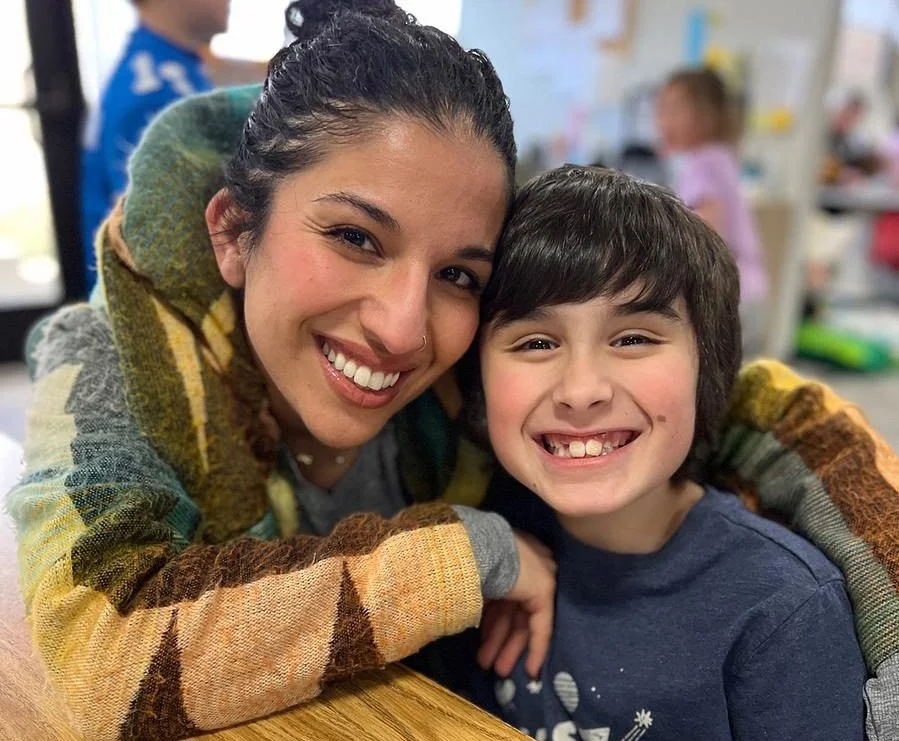
There was a time in my life when I thought communication meant words. The “right” words. Words that came easily, at the expected time, in the expected way.
And then my child was diagnosed with autism.
I remember the panic in my body. Levi wasn’t using words yet. I kept wondering: Are we doing something wrong? Are we missing something?
I was a psychologist. I had years of training. And still, none of that protected me from the fear that lives in a parent’s heart when they feel like they can’t fully reach their child.
Then we met the right speech therapist, and everything shifted. And it was not because Levi suddenly started talking, but because I started understanding. She helped me see something that feels so obvious now, but at the time changed everything:
Communication is not just words.
It’s connection. It’s expression. It’s being seen, understood, and responded to.
The Harm in How We’ve Been Taught to Think About Communication
Many of us have been conditioned clinically, culturally, and socially to believe:
That verbal speech is the gold standard
That delayed speech means something is “wrong”
That the goal is to make someone communicate more “normally”
That success equals sounding like everyone else
But for many neurodivergent individuals, these beliefs can cause harm. When we place all the value on how someone communicates instead of whether they are being understood, we unintentionally create:
Chronic frustration
Internalized shame
Social withdrawal
Exhaustion from masking or over-efforting
A sense of “I am not enough as I am”
I’ve worked with so many children, teens, and adults who are not struggling because they can’t communicate. They’re struggling because the world is not meeting them where they are.

A More Compassionate, Neurodiversity-Affirming Lens
At Mala, we believe in expanding our understanding of communication. Communication can look like:
Gestures
Eye gaze
Movement
Alternative communication devices
Tone, rhythm, and pattern
Silence
When we shift our lens, the goal is no longer: “How do we get this person to talk the way we expect?” It becomes:
“How do we understand and support the way this person already communicates?”
That shift alone can reduce anxiety, increase connection, and restore dignity
Why Speech & Language Therapy Is Mental Health Care
Communication is at the heart of:
Relationships
Emotional expression
Identity development
Boundary-setting
Help-seeking
When someone cannot effectively communicate their needs, pain, or inner world, it becomes:
Behavioral dysregulation
Anxiety
Depression
Isolation
Misunderstanding by caregivers, teachers, and peers
And over time, that can turn into something much heavier. For many neurodivergent individuals, especially those who feel chronically misunderstood, the risk of hopelessness and suicidality increases because of how often they are not heard.
Speech and language therapy, when done through a neurodiversity-affirming and trauma-informed lens, is profoundly protective because it:
Gives individuals a reliable way to express themselves
Reduces chronic frustration and internal distress
Strengthens connection with caregivers and others
Builds agency and autonomy
Helps others learn how to truly listen
It is not just about speech. It is about being able to exist in the world and be known.
Why This Matters So Deeply to Us
Mala was built on the belief that we cannot treat one part of a person and expect true healing. We’ve always believed in a multidisciplinary, deeply human approach, where psychology, psychotherapy, occupational therapy, and psychiatry don’t operate in silos, but work together to understand the full picture of someone’s life.
Bringing speech and language therapy into Mala is a natural extension of our mission:
To end intergenerational cycles of trauma by helping people feel seen, supported, and understood—across every layer of their experience.
We’re Building Something New, and We’re Looking for the Right Person
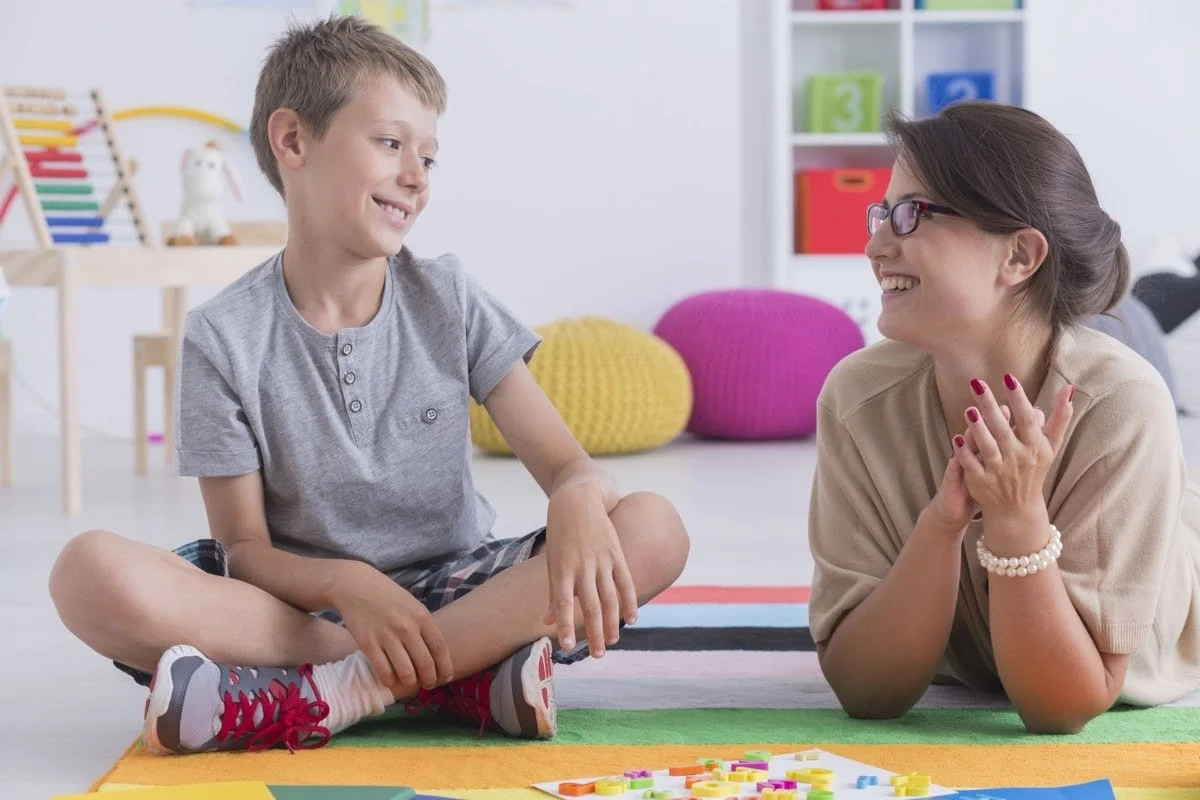
We are currently seeking a Director of Speech & Language Therapy to help us build this program from the ground up.
This is an opportunity to:
Shape a program rooted in neurodiversity-affirming, trauma-informed care
Collaborate deeply with other disciplines
Reimagine what speech and language therapy can look like in a truly integrated setting
Be part of a mission-driven team working toward ending cycles of trauma and long-term wellbeing
A Final Thought
If there’s one thing I’ve learned (both as a psychologist and as a mom) it’s this:
People are struggling because the world hasn’t learned how to listen.
At Mala, we want to change that. And this next step is one more way we do that, together. If you’re interested in this role, or know someone who might be, we would love to connect.
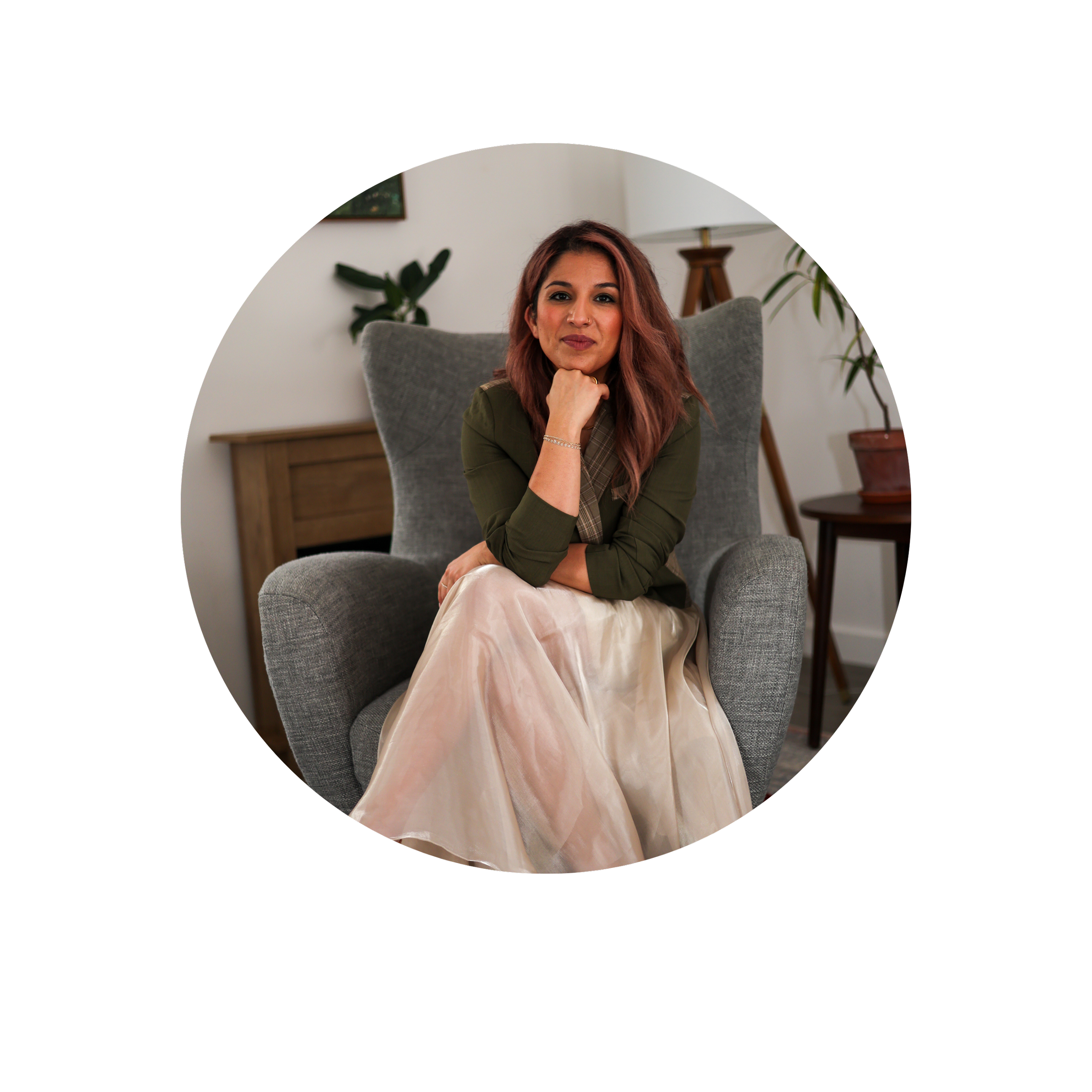
Our Med Management Team Has Grown!
We’re so excited to welcome two new psychiatric nurse practitioners to the Mala team. Both bring a deep commitment to thoughtful, evidence-based care, along with a shared passion for supporting individuals and families in ways that are collaborative, trauma-informed, and neurodiversity-affirming. Their addition continues to strengthen our multidisciplinary model, allowing us to provide even more integrated and responsive care to the communities we serve.


Dr. Siddiqa Rizvi, DNP, APRN, PMHNP-BC
Psychiatric Nurse Practitioner
Ann Arbor, Farmington Hills, & telehealth
Katie Bailey, PMHNP-BC
Psychiatric Nurse Practitioner
Farmington Hills & telehealth
Expanding Our Training Program & Strengthening Our Work with Couples & Families
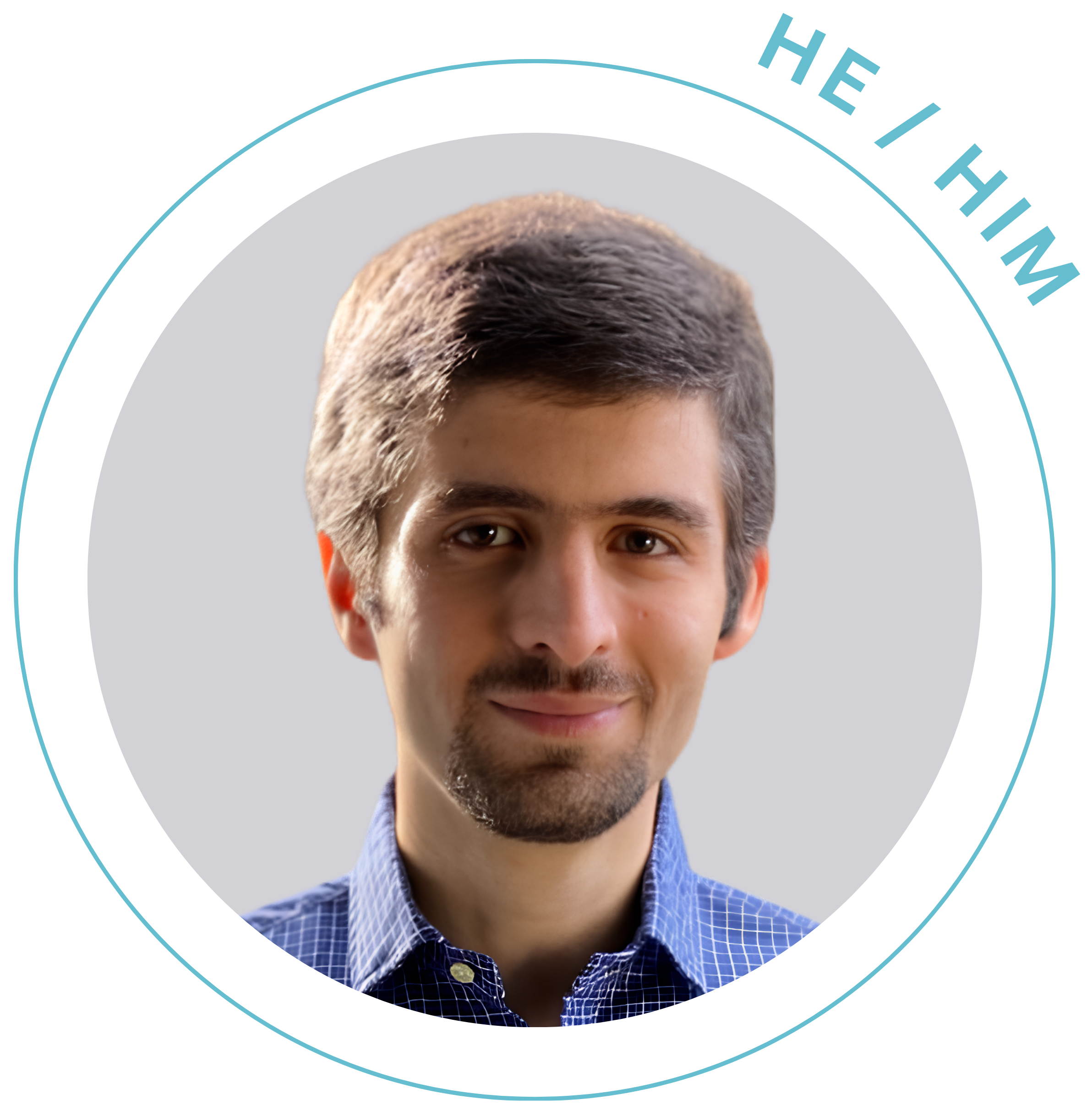
We’re thrilled to welcome Hamed Fatahian, LMFT, LPC to our team as part of our continued investment in growing our training department and deepening the quality of care we provide. Hamed brings a strong foundation in Emotion Focused Therapy with couples and families, with a particular passion for supporting neurodivergent individuals and their relationships. His commitment to both clinical excellence and mentoring the next generation of therapists aligns closely with our mission, and we’re so grateful to have him as part of our community!
If you have any questions concerning care at Mala or would like to reach out for another reason, we’d love to hear from you.
Until next time,
The Mala Child & Family Institute Team
