
How to Support Neurodivergent Children Through Potty Training and Toileting
How to Support Neurodivergent Children Through Potty Training and Toileting
By Jill Jackson, BS
MSW Practicum Student
Toileting can be especially stressful for families of children that are neurodivergent. Traditional potty training methods often emphasize rewards, punishments, or rigid schedules. However, these tactics rarely work and can damage progress when a child has sensory sensitivities, communication barriers, or anxiety around control.
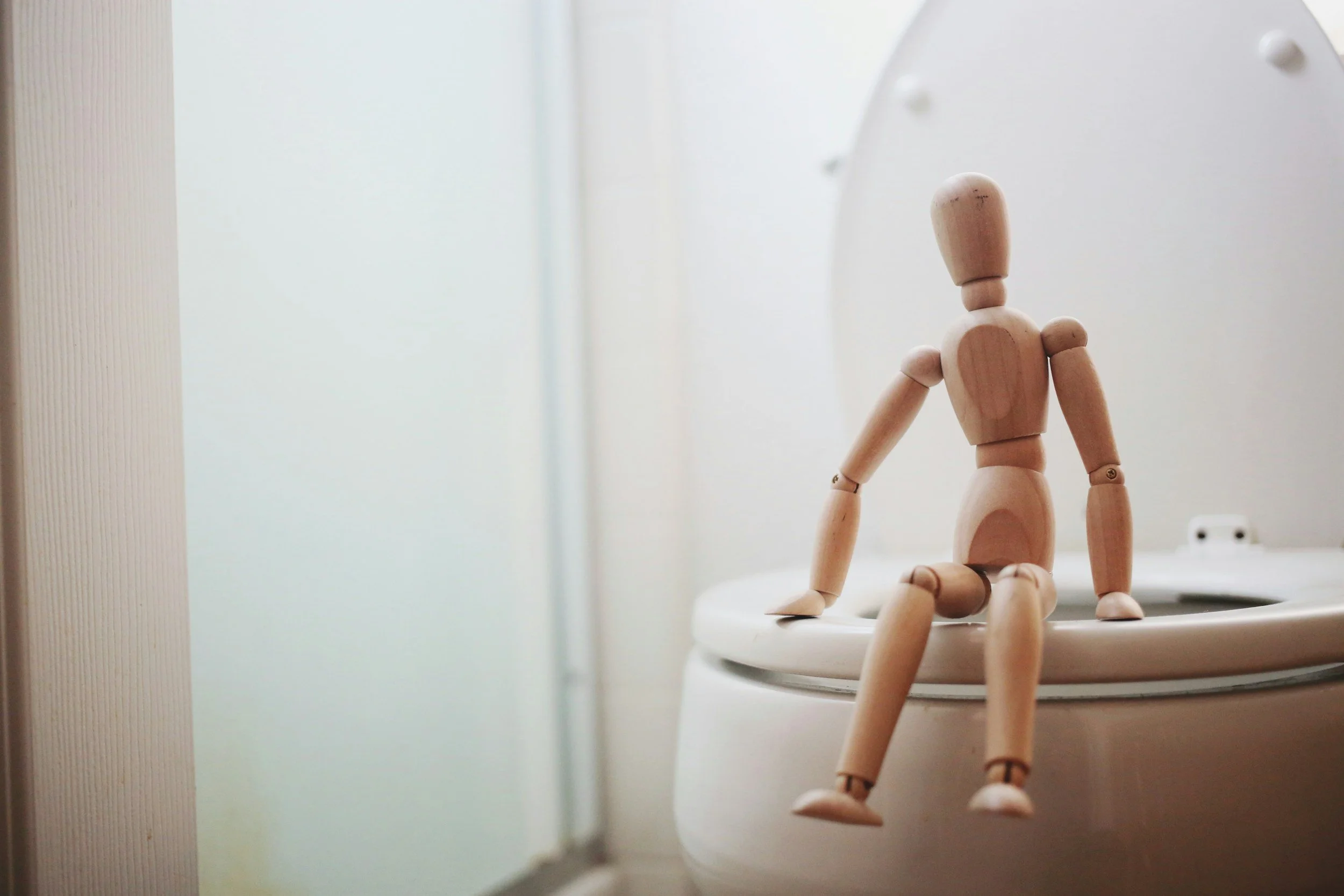
Why Traditional Potty Training Misses the Mark for Neurodivergent Kids
Many common potty training strategies assume that:
● Children can easily notice and interpret body cues
● Bathrooms are neutral or non-threatening environments
● Motivation can be driven externally through rewards or consequences
For many neurodivergent children, none of these assumptions are true. This scenario calls for using affirming strategies of support when teaching a child how to use the bathroom.
4 Ways to Integrate Neurodiverse-Affirming Toileting Support:
1. Honoring your child’s body autonomy and internal cues
Start by talking about what the sensation of having to use the bathroom feels like, and model by being vocal about when you have to use the restroom. For example, you can say: “there is a lot of pressure in my bladder (belly/body part) right now, so I can tell it is full. I am going to pee in the toilet to make that feeling go away without getting pee on my pants.” This literal description helps teach kids how to listen to their body cues, what they can do about them, and why they should do them that way.
2. Creating a low-pressure, shame-free environment
Healthy low-pressure toileting is based on the child’s readiness rather than a strict timeline. This allows for there to be less fear or aversions surrounding the bathroom.
Using the bathroom can feel vulnerable and exposing when a child is used to the sensation and privacy of a diaper. Offering additional options to increase autonomy and privacy in this environment can be a game changer for what experiences the child associates going to the bathroom with.
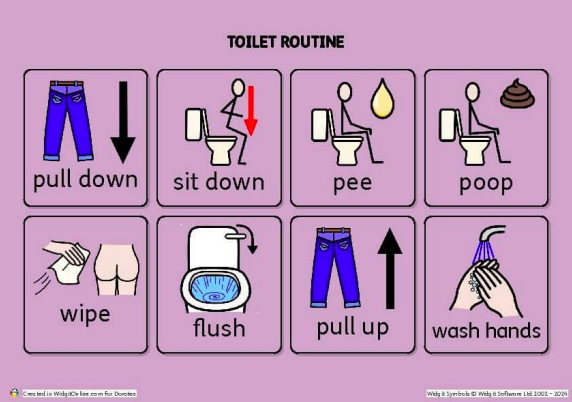
3. Using visual supports and stories that explain the process
Make it fun! Utilize potty training songs, toys, and fun videos that explain and encourage going to the bathroom in a way that isn’t so scary.
Have intriguing postings in the bathroom that model the steps of using the bathroom, including wiping, flushing, and washing your hands.
4. Avoiding Sensory Triggers in the Bathroom
Bathrooms are often packed with sensory challenges that adults may not notice but children feel intensely, including:
Loud flushing or fan noises
Bright or flickering lights
Cold toilet seats
Slippery floors
Strong smells or echoes
Addressing these sensory barriers can be a game changer. Supports might include:
Noise-reducing headphones
Softer lighting or lamps
Padded or child-sized toilet seats
Letting the child leave the room before flushing
When sensory stress is reduced, a child’s nervous system is more able to engage with internal cues and learning.

Occupational Therapy & Mental Health Support
Toileting challenges often sit at the intersection of:
Sensory processing
Anxiety or past stress
Emotional regulation
Family dynamics
Because of this, collaboration matters.
Occupational therapists can support sensory accommodations and body awareness. Psychotherapists can help address anxiety, control, shame, or past negative experiences. When providers collaborate and parents are supported as partners, children receive more holistic, effective care.
This is where cross-referral between OT and psychotherapy, such as through Mala’s integrated programs, can provide families with coordinated, affirming support.
You can click on this link to learn more about Mala’s services and enrollment process: https://www.malafamily.org/enroll.
Recommended Readings:
“Ready, Set, Potty!”by Brenda Batt
A sensory-informed, step-by-step guide often recommended by occupational therapists
“The Potty Journey”by Judith A. Coucouvanis
Specifically designed for children with autism and developmental differences
“Oh Crap! Potty Training”by Jamie Glowacki
Not neurodivergent-specific, but helpful when adapted with flexibility and reduced pressure
“It Hurts When I Poop!”by Howard J. Bennett
Great for children experiencing fear or withholding related to bowel movements
References:
American Academy of Pediatrics. (2023). Toilet training: Guidelines for parents. Retrieved from https://www.healthychildren.org
American Occupational Therapy Association. (2020). Occupational therapy practice framework: Domain and process (4th ed.). American Journal of Occupational Therapy, 74(Suppl. 2), 7412410010. https://doi.org/10.5014/ajot.2020.74S2001
Autism Speaks. (2016). Toilet training guide for individuals with autism. Retrieved from https://www.autismspeaks.org
Child Mind Institute. (2022). Potty training problems and solutions. Retrieved from https://childmind.org
Hanen Centre. (2021). Helping children learn language through everyday routines. Retrieved from https://www.hanen.org
Kaerts, N., Van Hal, G., De Meyer, A., Van Waelvelde, H., & Roeyers, H. (2014). Toilet training in children with developmental delays. Research in Developmental Disabilities, 35(12), 3383–3391. https://doi.org/10.1016/j.ridd.2014.08.007
If you have any questions concerning care at Mala or would like to reach out for another reason, we’d love to hear from you.
Until next time,
The Mala Child & Family Institute Team
