
Psychodynamic Therapy, and Why It Still Matters
Psychodynamic Therapy, and Why It Still Matters
By Caleb Bonno, BA
Clinical Psychologist Practicum Trainee
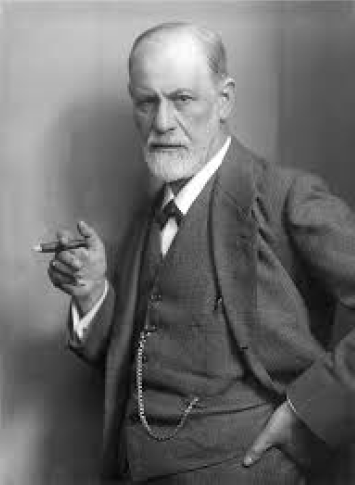
Psychodynamic psychotherapy is one of the oldest forms of talk therapy, but despite its age, it is far from outdated. Originally developed by the infamous Sigmund Freud, the psychodynamic approach has evolved quite a bit over time, developing a unique sense of identity compared to its predecessor psychoanalytic psychotherapy. Psychodynamic therapy does not involve laying down on a couch and talking to a brick wall of a therapist, and instead involves understanding how your past experiences, particularly those from your childhood, shape the way that you think, feel, and act in the present. As such, even with newer therapies gaining popularity and traction, the psychodynamic approach still matters, as it focuses on deeper-level work and long-term changes instead of the quick fixes offered by other forms of psychotherapy.
That’s a nice overview of the background of psychodynamic therapy, but I can hear you asking, “What does it actually do?” Well, at its core, psychodynamic therapy is about making sense and connecting the dots behind major patterns that occur in your life.
Everyone has habits in how they relate to others, deal with stress, or respond to emotions. Sometimes those patterns can work well, but other times they can hold people back and get in the way of developing a healthy lifestyle. For example, someone might notice that they keep ending up in similar, unhealthy relationships, or that they have a pattern of feeling intense anxiety without understanding why. Psychodynamic therapy helps to connect those dots, often tracing them back to early life experiences, particularly to early attachment figures, with the therapist’s job being primarily to help notice those patterns and explore where they originally come from.

Like any form of therapy, the psychodynamic approach isn’t without its flaws. One of the biggest criticisms is that it can take a long time, which may not be practical or accessible for everyone, especially compared to shorter, more structured alternatives like CBT or DBT. It can also feel a bit more vague and, occasionally, aimless, since it doesn’t follow a clear step-by-step process. This also makes it particularly difficult to measure objectively, which further complicates any scientific study wanting to measure psychodynamic psychotherapy. However, there are still some studies that measure it to be particularly effective in the long term. Even with the above limitations, psychodynamic therapy remains a worthwhile and meaningful approach for many people. Personally, I sought out an education steeped in specifically psychodynamic psychotherapy because I can see its value, and that motivated me to write this blog. It focuses on understanding and addressing deep seeded issues that go untouched by behavioralism, and offers a unique opportunity to build both self-awareness and more productive patterns of thinking. For anyone willing to invest the time and energy, both of which are significant, psychodynamic therapy can lead to changes that continue long after you’ve left the therapy room. In that sense, psychodynamic still holds an important place in modern mental health care. It is not a quick solution, but it is a deeper and more enduring one.
References
Leichsenring F, Rabung S. Effectiveness of long-term psychodynamic psychotherapy: a meta-analysis. JAMA. 2008 Oct 1;300(13):1551-65. doi: 10.1001/jama.300.13.1551. PMID: 18827212.
If you have any questions concerning care at Mala or would like to reach out for another reason, we’d love to hear from you.
Until next time,
The Mala Child & Family Institute Team
