Art Therapy at Mala
Healing, Expression, and Connection—Across the Lifespan
At Mala Child & Family Institute, art therapy is a powerful, evidence-based form of psychotherapy that helps people express, process, and integrate experiences that are difficult to put into words.
Art therapy offers a different doorway into healing, one that honors the body, nervous system, creativity, culture, and inner world of each person.
We offer art therapy for children, teens, and adults, at our Farmington Hills clinic and virtually.
What Is Art Therapy?
Art therapy is a form of mental health treatment provided by a licensed, master’s-level art therapist who is trained in both psychotherapy and the therapeutic use of art materials.
In art therapy:
Art-making becomes a language for thoughts and emotions
The process matters more than artistic skill
No prior art experience is needed
Expression can happen without pressure to explain or perform
Art therapy integrates:
Psychology and neuroscience
Attachment and trauma theory
Creative expression and meaning-making
Art therapy is especially effective when words feel inaccessible, overwhelming, or insufficient.

How Art Therapy Works
Art therapy works by engaging:
The nervous system
The sensory system
Emotional and relational processing
Implicit memory (experiences stored beyond words)
Creating art can:
Reduce physiological stress
Increase emotional regulation
Support trauma processing
Strengthen identity and self-understanding
Improve communication and connection
Art Therapy Across the Lifespan
-
Art therapy helps children:
Express feelings safely and symbolically
Process trauma, grief, or big life changes
Improve emotional regulation
Build self-esteem and agency
Reduce anxiety and behavioral distress
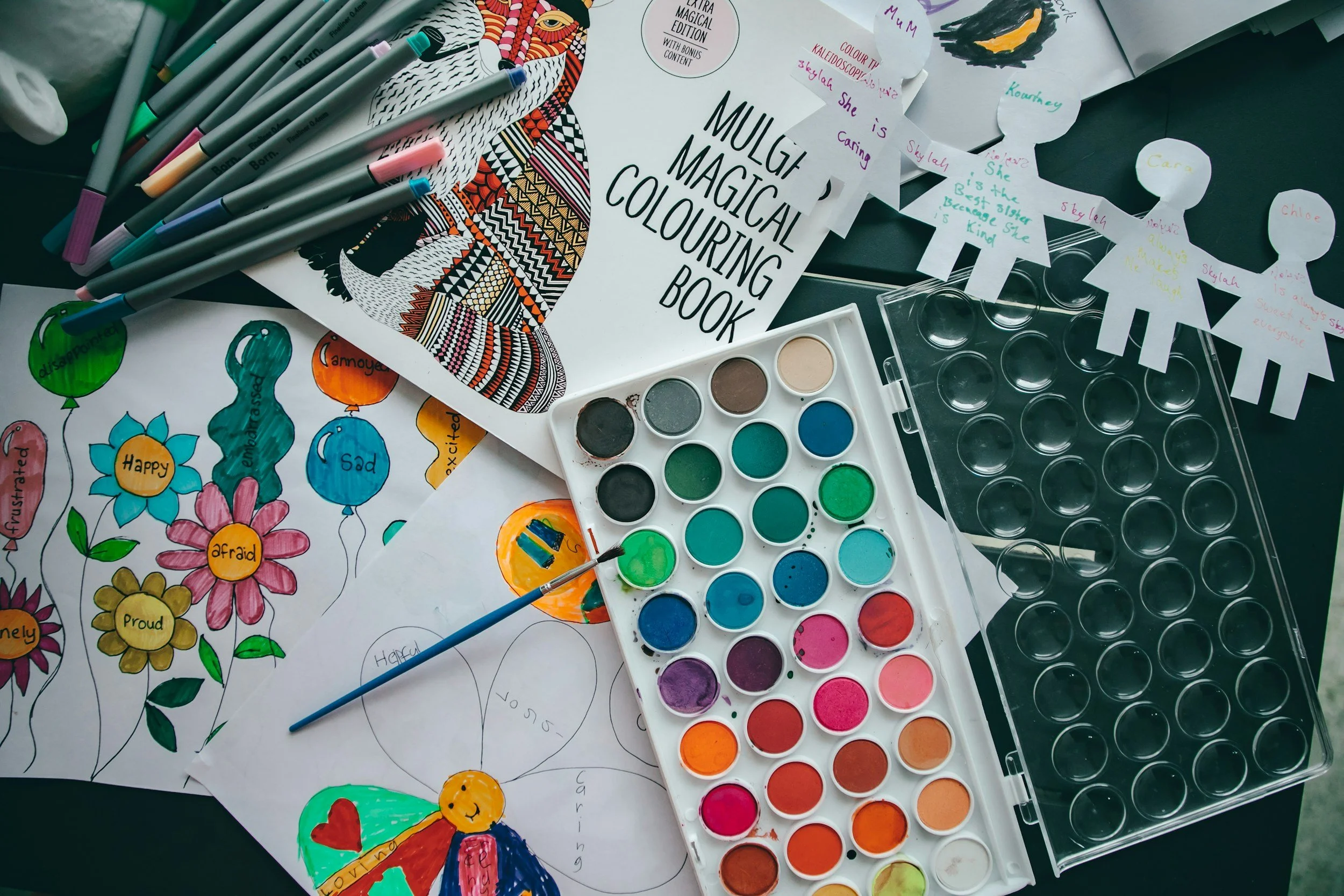
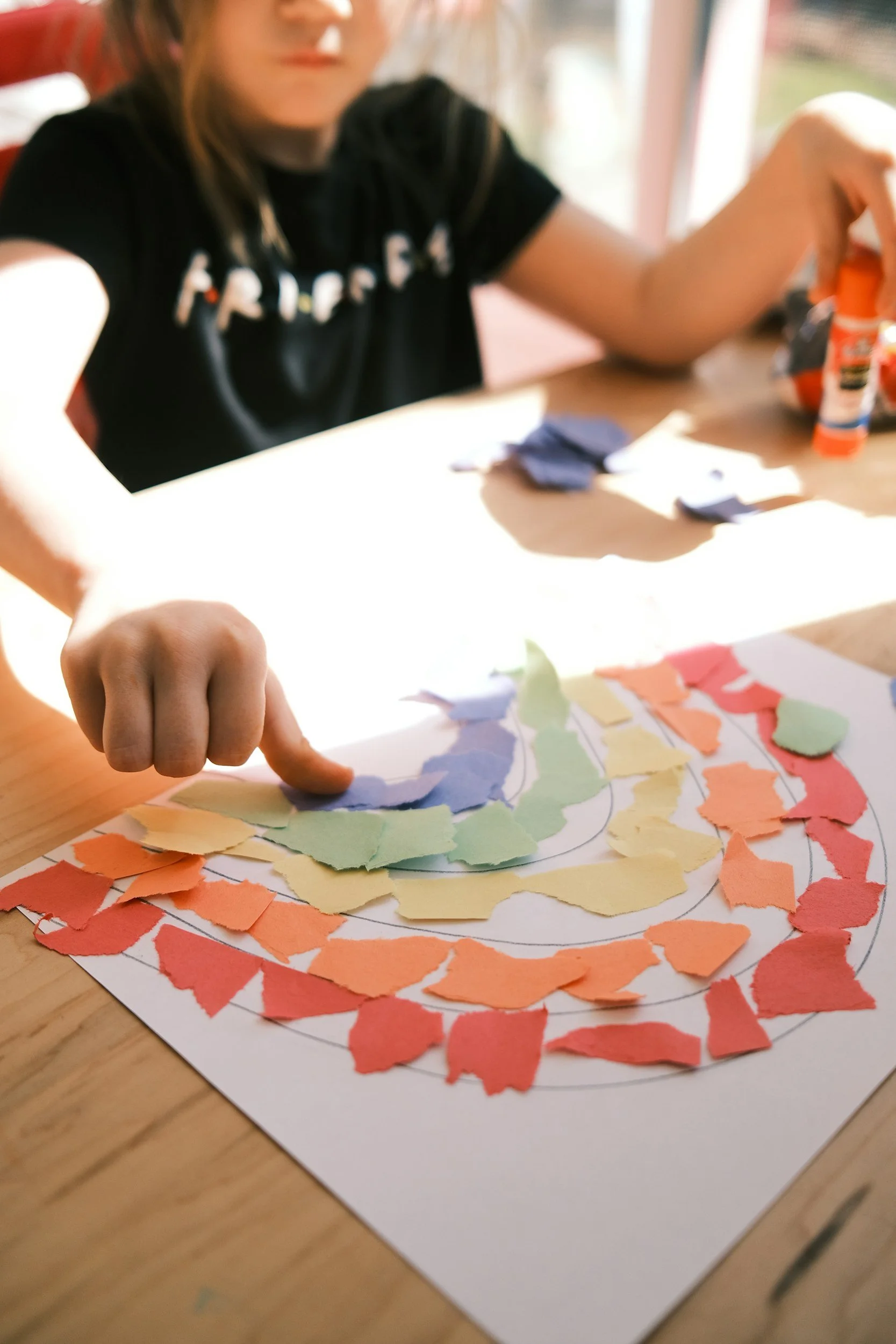
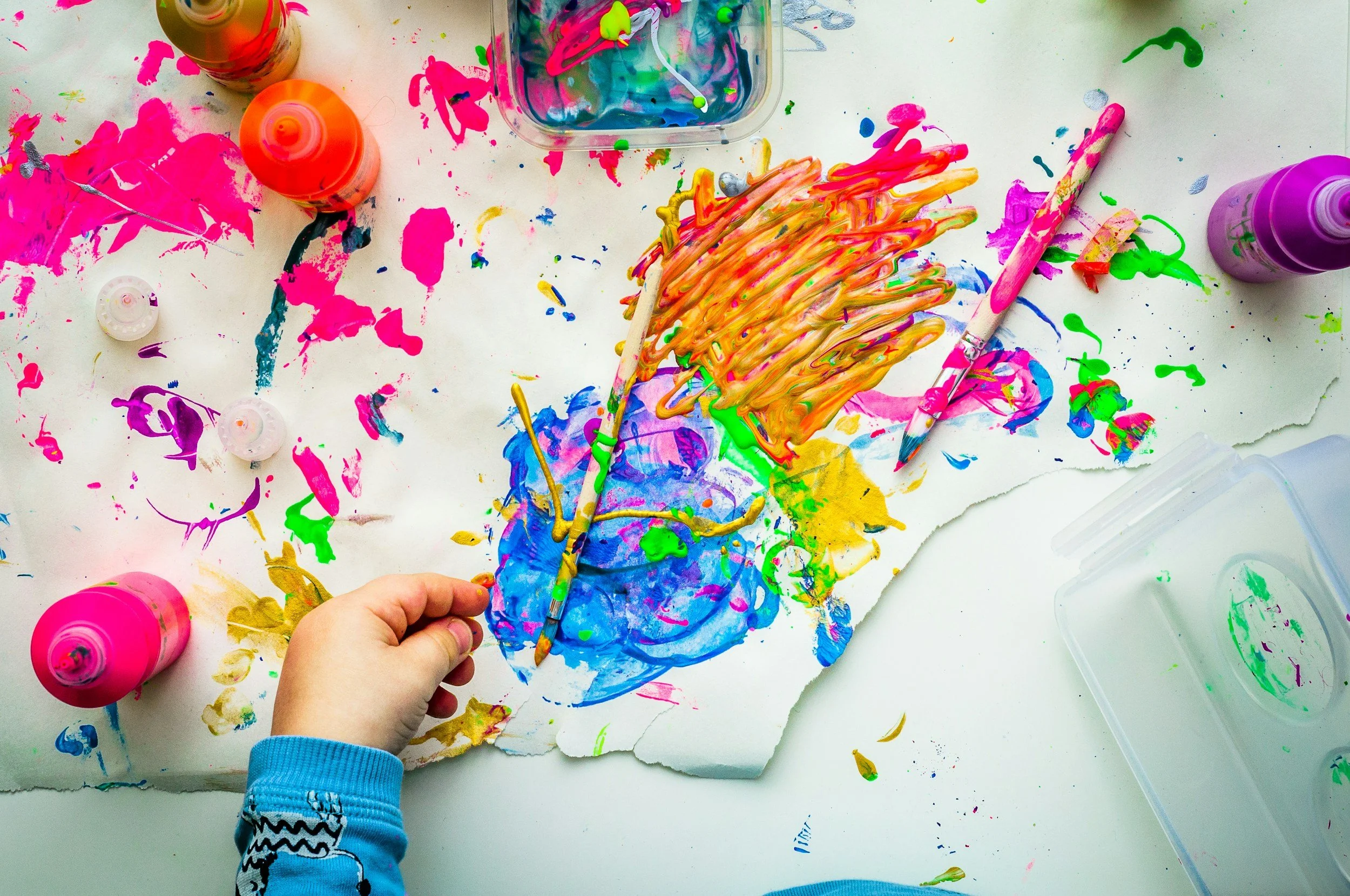
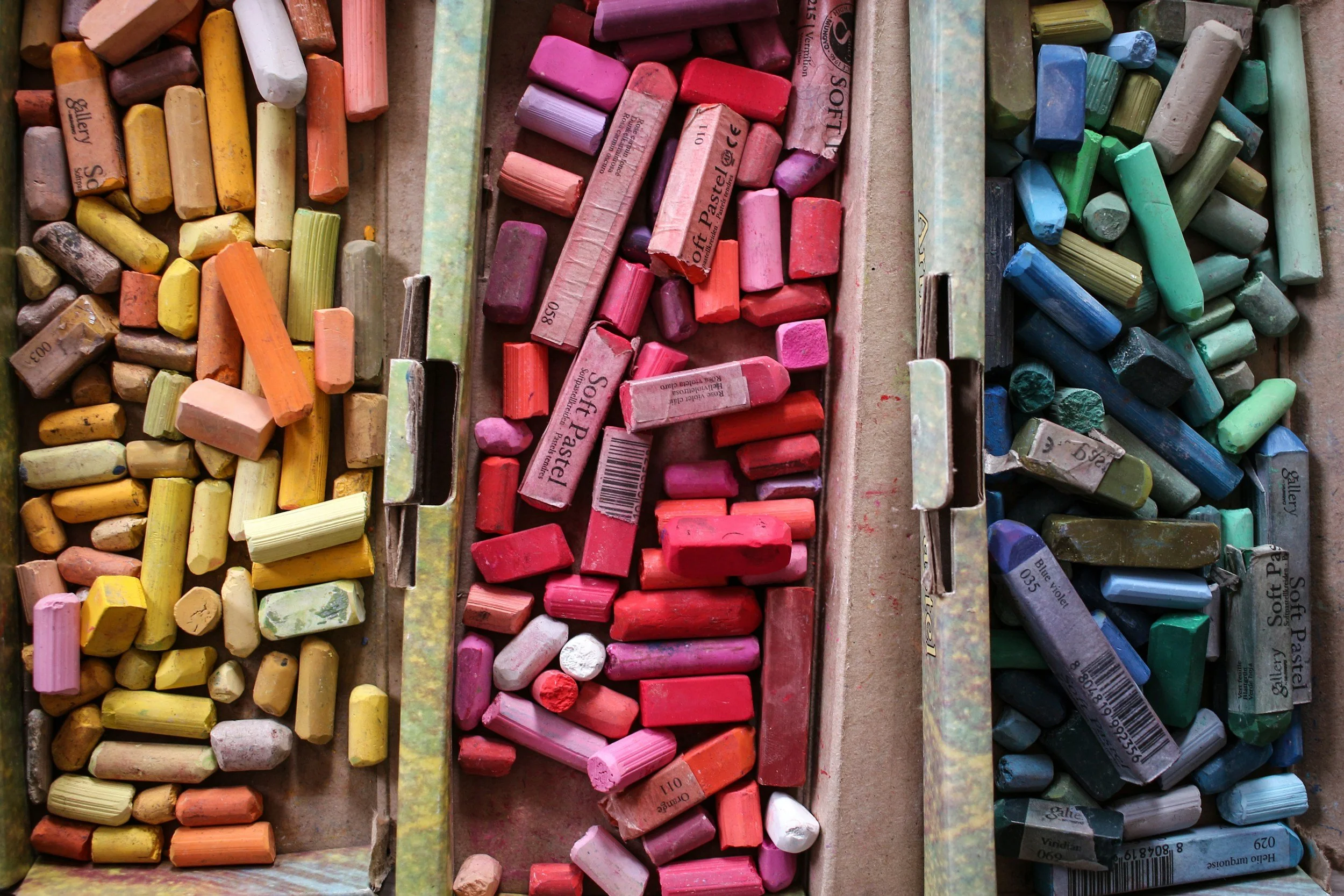
Sessions may include drawing, painting, sculpting, collage, and sensory-based art, always adapted to the child’s developmental level.
Art therapy is especially helpful for children who:
Struggle to talk about emotions
Have experienced trauma or loss
Are neurodivergent
Feel overwhelmed by traditional talk therapy
-
Art therapy supports teens by:
Offering expression without pressure to “talk it out”
Supporting identity exploration and self-concept
Processing anxiety, depression, trauma, or social stress
Reducing shame and self-criticism
Creating space for autonomy and voice
Art therapy can feel less intrusive than traditional therapy for teens who are guarded, skeptical, or burned out.
-
Art therapy helps adults:
Process trauma and complex life experiences
Work through anxiety, depression, and burnout
Reconnect with creativity and meaning
Explore identity, relationships, and self-compassion
Integrate mind and body in healing
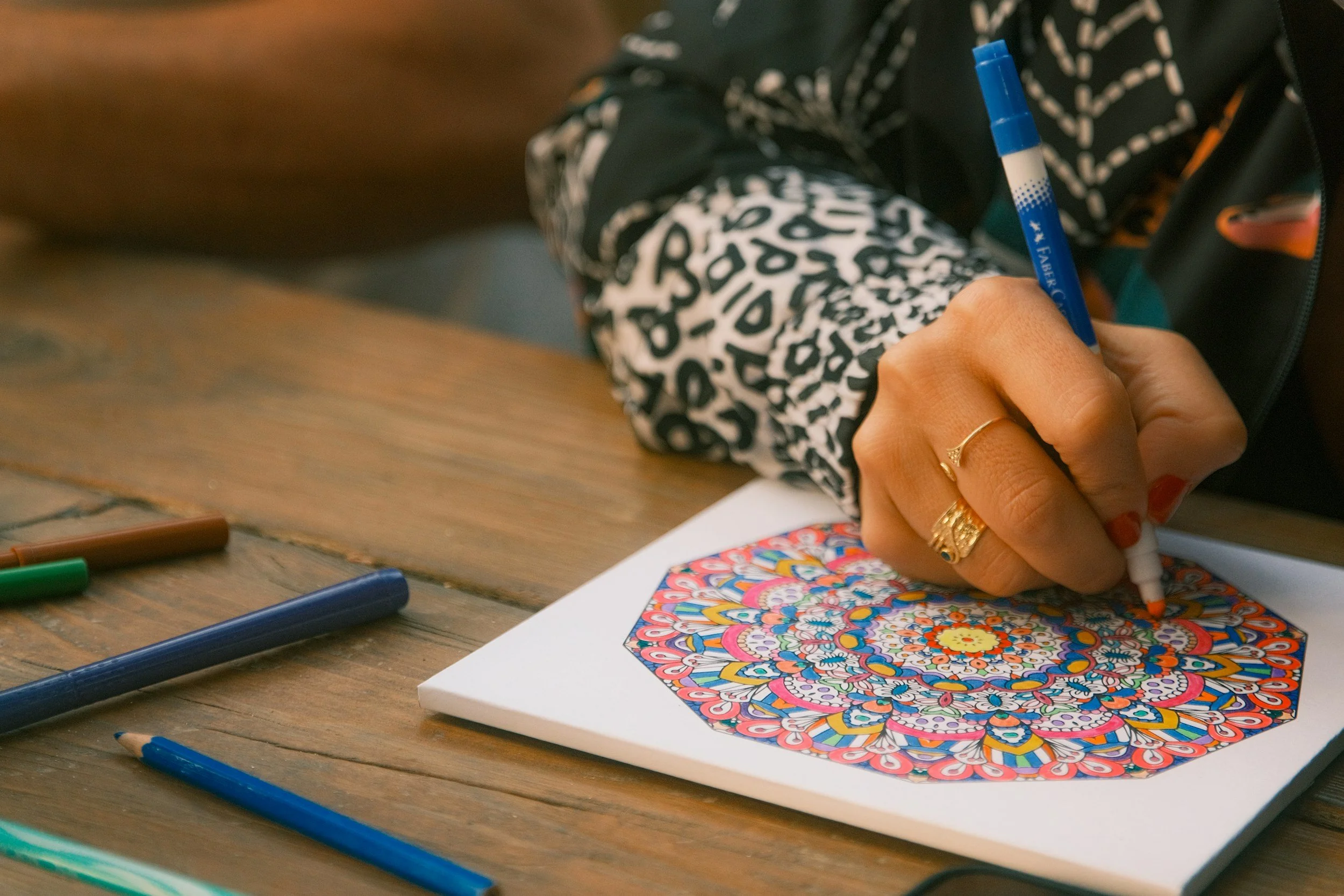
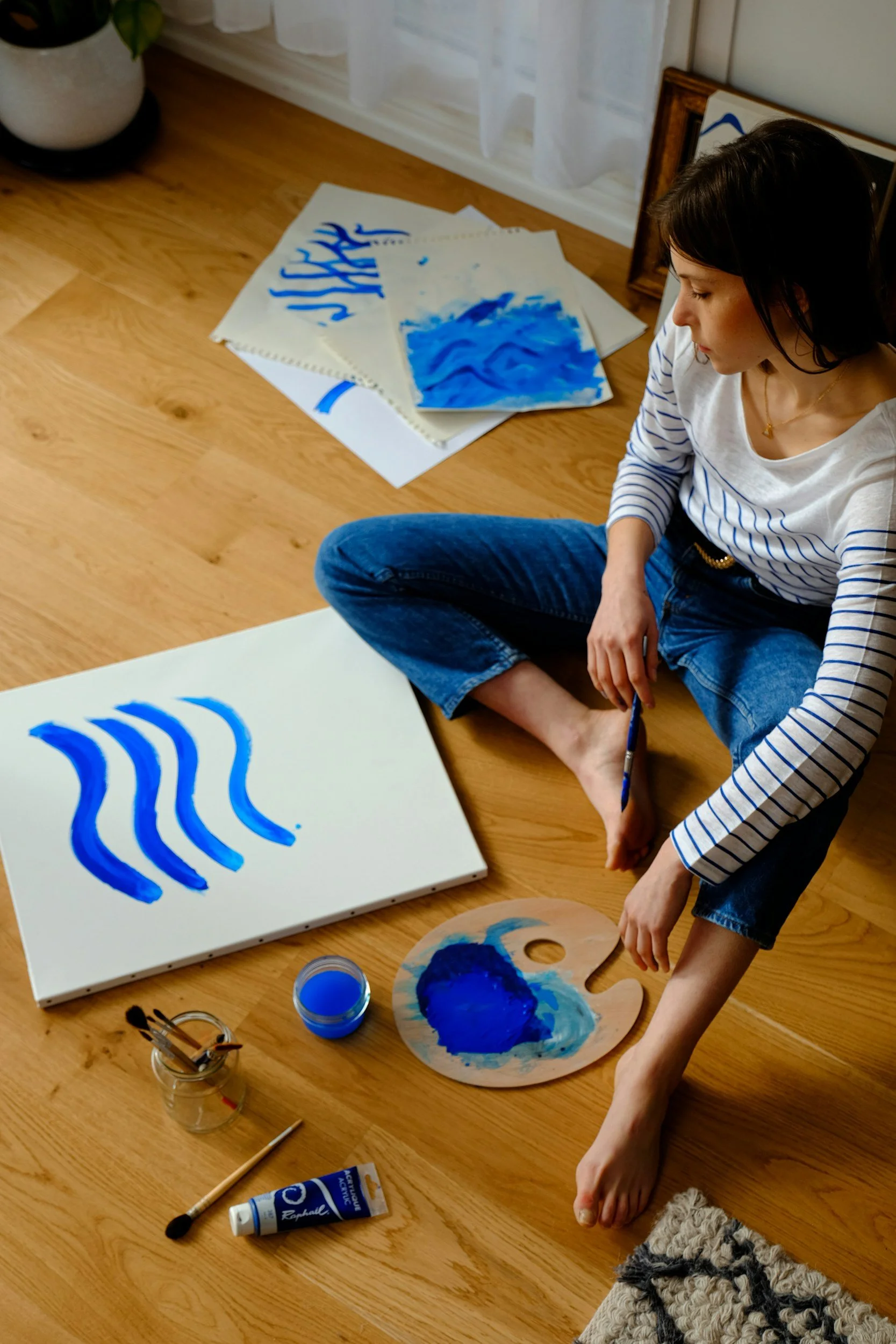
No artistic skill is required, only openness to the process.
What Conditions Can Art Therapy Help With?
Art therapy is effective for a wide range of concerns, including:
Trauma and PTSD
Anxiety and panic
Depression and mood disorders
Grief and loss
Autism and ADHD
Sensory processing differences
Chronic stress and burnout
Identity exploration
Attachment and relational difficulties
Life transitions
Art therapy is often especially helpful when traditional talk therapy alone has not felt effective.

Art Therapy as a Trauma-Informed Intervention
Art therapy is inherently trauma-informed. It reduces reliance on verbal recall, supports nervous system regulation, honors body-based memory, and lets clients control the pace and depth, minimizing re-traumatization. At Mala, trauma-informed art therapy means:
Choice is always prioritized
Safety and predictability are built into sessions
Power dynamics are carefully considered
The therapist follows the client’s lead
Art Therapy as a Neurodiversity-Affirming Intervention
Art therapy is naturally neurodiversity-affirming. It allows non-linear expression, honors sensory differences, reduces pressure to mask or explain, and supports PDA- and RSD-informed care. For autistic and neurodivergent individuals, art therapy offers a way to:
Communicate authentically
Regulate sensory and emotional experiences
Explore identity without judgment
Feel seen without being analyzed
Art Therapy as a Culturally Sensitive Intervention
Art therapy transcends language and cultural barriers. It supports expression shaped by culture, migration, and identity, uses personally meaningful symbols and imagery, and moves beyond Western, verbal-centric therapy norms. At Mala, culturally sensitive art therapy means:
Honoring each client’s cultural context
Avoiding assumptions or pathologizing differences
Holding space for identity, faith, family, and history
Letting meaning come from the client, not the therapist
Meet Mala’s Art Therapist


Angela Doran, MA, LPC, NCC, ATR
ART THERAPIST & PROFESSIONAL COUNSELOR
-
Growing up, I was never certain about which career path I might take – I had considered teaching, being a nurse (a doctor on days I felt very motivated), and of course being an artist. It wasn’t until I was nearly done with my senior year of high school that I had finally learned about the field of art therapy. Prior to this, I was completely unaware of its existence as a modality, let alone a career path. This information created a new objective for me of completing two bachelor degrees – one in psychology and the other in painting – in hopes of being all the more desirable as a candidate for Wayne State University’s dual art therapy and counseling Master’s program.
The more that I learned about the field of art therapy, the more it became apparent that there were abundant benefits to this therapeutic service; it offered opportunities for a multitude of individuals to process emotions, trauma, difficult life transitions, and offer an artistic outlet that did not rely solely on verbal communication. It combined my adoration of art and creativity with supporting mental health and neurodevelopmental needs.
I had the pleasure of applying art therapy techniques while working with Wayne State’s Awesome Autism program. Seeing the benefits that art therapy can have within the neurodivergent population fueled my passion to become an art therapist all the more. I am grateful I was mentored and supervised by the talented art therapists Erin Shahly, Elizabeth Webster, and Tessa Bird. They allowed me ample opportunity to shadow sessions, practice alongside them, and supported me during the metamorphosis of being an eager student, an occasionally uncertain intern, to becoming an informed professional like them.
`Neurodiversity was a topic that has always been near and dear to my heart; I had known that predominately working with the neurodivergent population was my aspiration throughout this journey. My older brother, Al, has had an autism diagnosis since he was about four years old. My family and I were naturally very protective of him; luckily, we were not alone in our endeavors to support him. Al received multiple forms of therapy over the years, especially in early childhood, to help him develop speech, occupational, and executive functioning skills, as well as provide enriching social opportunities and creative outlets.
I had the unique opportunity to witness how important these therapists were to my brother’s experience. These high-quality providers had a lasting impact on not only Al’s experience, but on the entire family as well, providing education, support, and most importantly – encouragement. I have learned over the years how pivotal observing the positive impact of these therapists have shaped my own motivation to become a provider myself. It is because of my brother and his team that I strive to supply the most informed and tailored quality care that I possibly can. Being an art therapist provides me with the unique platform to work creatively with a spectrum of individuals, with whom I am honored and proud to know and collaborate with.
Why Art Therapy at Mala Is Different
At Mala, art therapy is fully integrated into our multidisciplinary model of care.
Our art therapists collaborate with:
Evaluating Psychologists
Relationship Counselors
Executive Function Coaches
Occupational Therapists
Speech-Language Pathologists
Psychiatric Providers
School Advocates
We also intentionally adapt our physical spaces to reduce sensory overwhelm, offer flexible and accessible intake processes, and prioritize autonomy, pacing, and consent, ensuring all care is consistently aligned with trauma-informed, neurodiversity-affirming values.
Ready to Get Started?
Whether you are seeking art therapy for a child, teen, or yourself — we are here.