Why Suicide Prevention Needs to Become a Family Conversation
Why Suicide Prevention Needs to Become a Family Conversation
By Dr. Hasti Raveau, PhD, LP
Clinical Psychologist, Founder, & CEO

As parents, we worry about so many things.
We make our kids wear seat belts and bike helmets. We teach them how to cross the street, watch them around water, and worry about illness, school safety, bullying, social media, drugs, and strangers.
All of those things matter. But there is another risk that many families are still afraid to talk about: suicide.
We often treat suicide prevention as something that only matters when a person is already in crisis. We wait until someone is severely depressed, talking about dying, or sitting in an emergency room. By then, families are trying to learn everything during the most frightening moment of their lives.
I beg you to start much earlier.
The Risk is Much Closer Than We Think
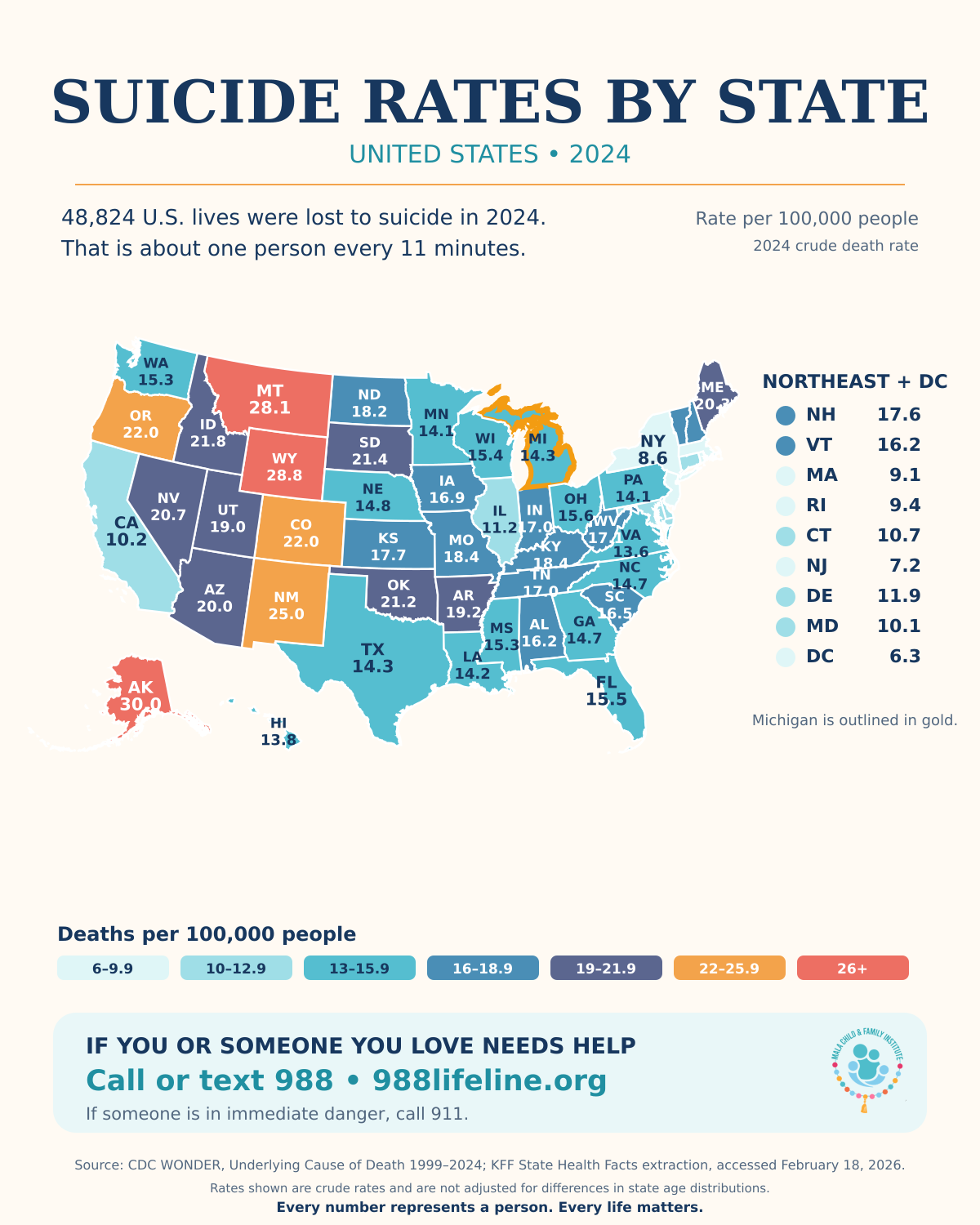
In 2024, nearly 49,000 people in the United States died by suicide. To put that in perspective, more people died by suicide than in traffic crashes. What is heartbreaking is that millions more seriously thought about suicide, made a plan, or attempted suicide.
Suicide was the second leading cause of death for people ages 10 to 44.
That means suicide takes more young lives than many of the things families spend far more time worrying about. This is meant to help us see that suicide prevention belongs in the same conversations as physical health and everyday safety.
We should not wait until someone we love is in crisis to learn what to say and what to do.
Some People Face an Even Greater Risk
Autistic people are much more likely to experience suicidal thoughts, attempt suicide, and die by suicide than non-autistic people. People with ADHD and learning disabilities also face a higher risk, especially when they are living with depression, anxiety, impulsivity, emotional pain, bullying, or years of feeling misunderstood.
LGBTQ+ youth are also hurting. CDC data show that 41% of LGBTQ+ high school students seriously considered suicide, compared with 13% of their cisgender and heterosexual peers. More than half of transgender students said they had seriously considered attempting suicide.
American Indian and Alaska Native communities also experience some of the highest suicide rates in the country.
These numbers tell us what can happen when people spend years feeling rejected, unsafe, unseen, or forced to hide who they are. Often the problem is what the person has had to survive.
We Have to Become More Comfortable Asking
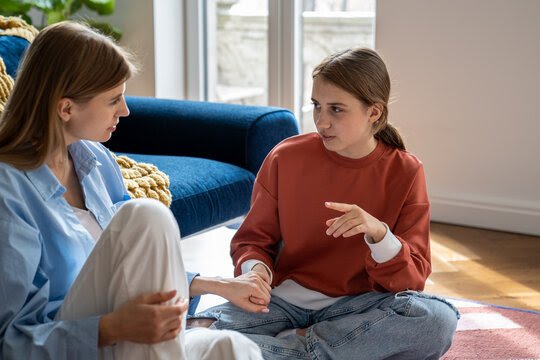
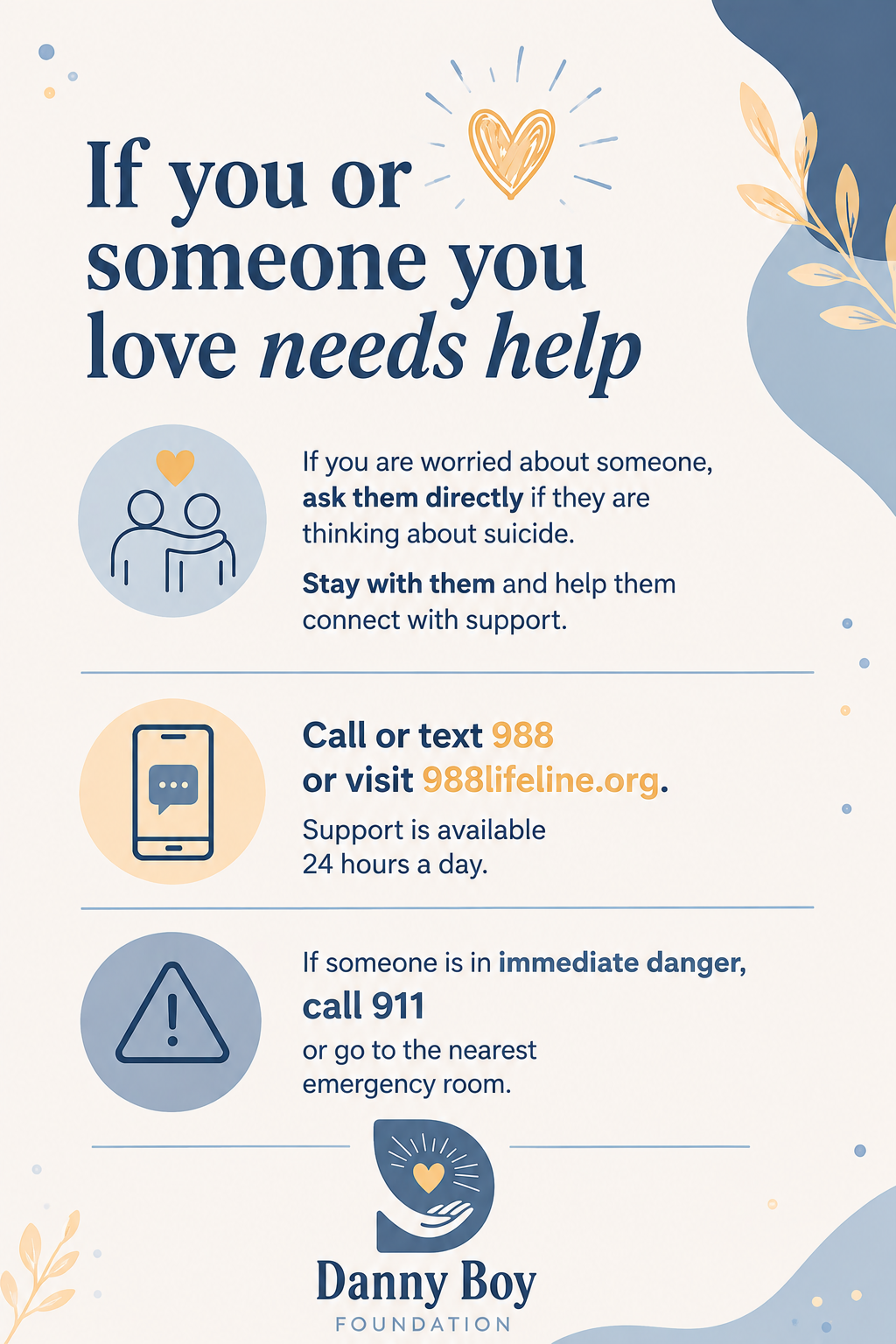
Many people are afraid that asking about suicide will put the idea into someone’s mind. But research shows that asking directly about suicide does not cause suicidal thoughts. In some cases, it may be the first time someone has felt safe enough to tell the truth.
YOU CAN ASK:
“Have you been feeling like you don’t want to be alive?”
“Have you thought about hurting yourself?”
“Are you thinking about suicide?”
“Do you feel safe right now?”
These questions may feel uncomfortable. I urge you to ask them anyway.
For autistic people, direct questions can be especially important. Do not assume someone is safe because they are not crying, seem calm, or because they cannot explain what they are feeling.
If someone tells you they are thinking about suicide, do not panic, lecture, debate, or immediately explain why they should want to live. Listen. Stay with them. Take them seriously. Help them get support. You do not have to have all the right words, you just need to be willing to stay in the conversation.
Prevention is More Than a Crisis Hotline
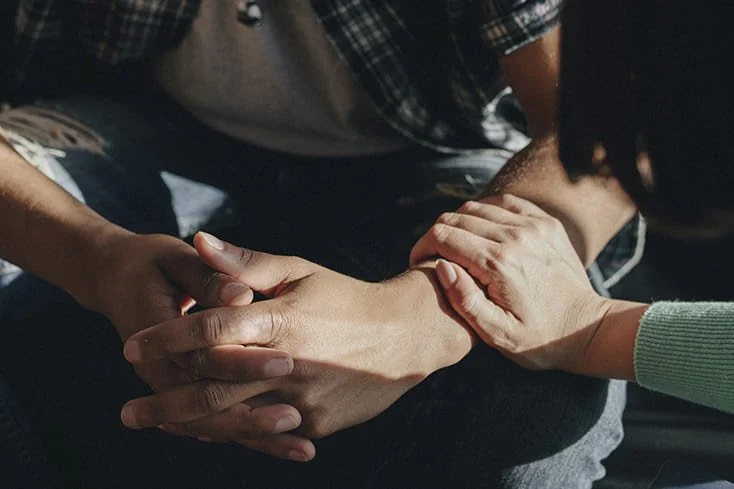
Crisis lines save lives, but suicide prevention cannot begin and end with a phone number.
Prevention can also look like:
A parent who listens without judgment
A school that takes bullying seriously
A clinician who understands autism and ADHD
A workplace where someone does not have to hide their disability
A family that knows how to talk about painful feelings
A written safety plan made before a crisis
Medications and firearms stored safely
Food in the kitchen and hygiene products in the bathroom
A person knowing exactly who they can call when life becomes too heavy
It is hard to work on your mental health when you do not have enough food, or feel hopeful when you cannot afford care. It is hard to keep asking for help when every place you turn misunderstands you. This is why suicide prevention has to include relationships, affirming care, education, and basic-needs support.
Introducing: Danny Boy Foundation

For me, suicide prevention is not only professional. It is deeply personal. My younger brother, Danny, was gifted, funny, neurodivergent, and deeply loved. He had ADHD. He was only 17 years-old when he died by suicide.
Losing Danny changed the course of my life. It taught me something I wish I had never needed to learn: love alone does not always protect someone from feeling completely alone. A young person can be bright, talented, surrounded by people who love them, and still carry pain that no one fully understands. A family can look back afterward and wish they had known what to ask, what signs to recognize, or how to help.
Years later, through our work at Mala, Ryleigh Kryska, LMSW, Mala’s Chief of Operations, and I kept seeing families searching for answers. We saw people lose hope after being misunderstood by the very systems they turned to for help. We saw how food insecurity, financial stress, isolation, bullying, and a lack of basic necessities could make an already painful situation feel impossible.
We knew we needed to create something that could go beyond what Mala could do as a clinical practice. Together, Ryleigh and I co-founded the Danny Boy Foundation in my brother’s memory. We, alongside our founding circle members, created it to support neurodivergent people before they reach a breaking point, and to give families, clinicians, schools, workplaces, and communities better tools to recognize risk and respond.
Our work focuses on three things:
Education and training so families, clinicians, schools, and communities know how to recognize risk and respond.
Low-cost affirming mental health care so neurodivergent people can receive support from professionals who understand them.
Basic-needs support because food, hygiene products, stability, and dignity are part of suicide prevention too.
Mala Child & Family Institute supports this work by donating funding, space, time, and other resources to the Danny Boy Foundation. The organizations are separate, but they share a belief that people need more than a diagnosis or a therapy appointment. They need care that looks at their whole life.
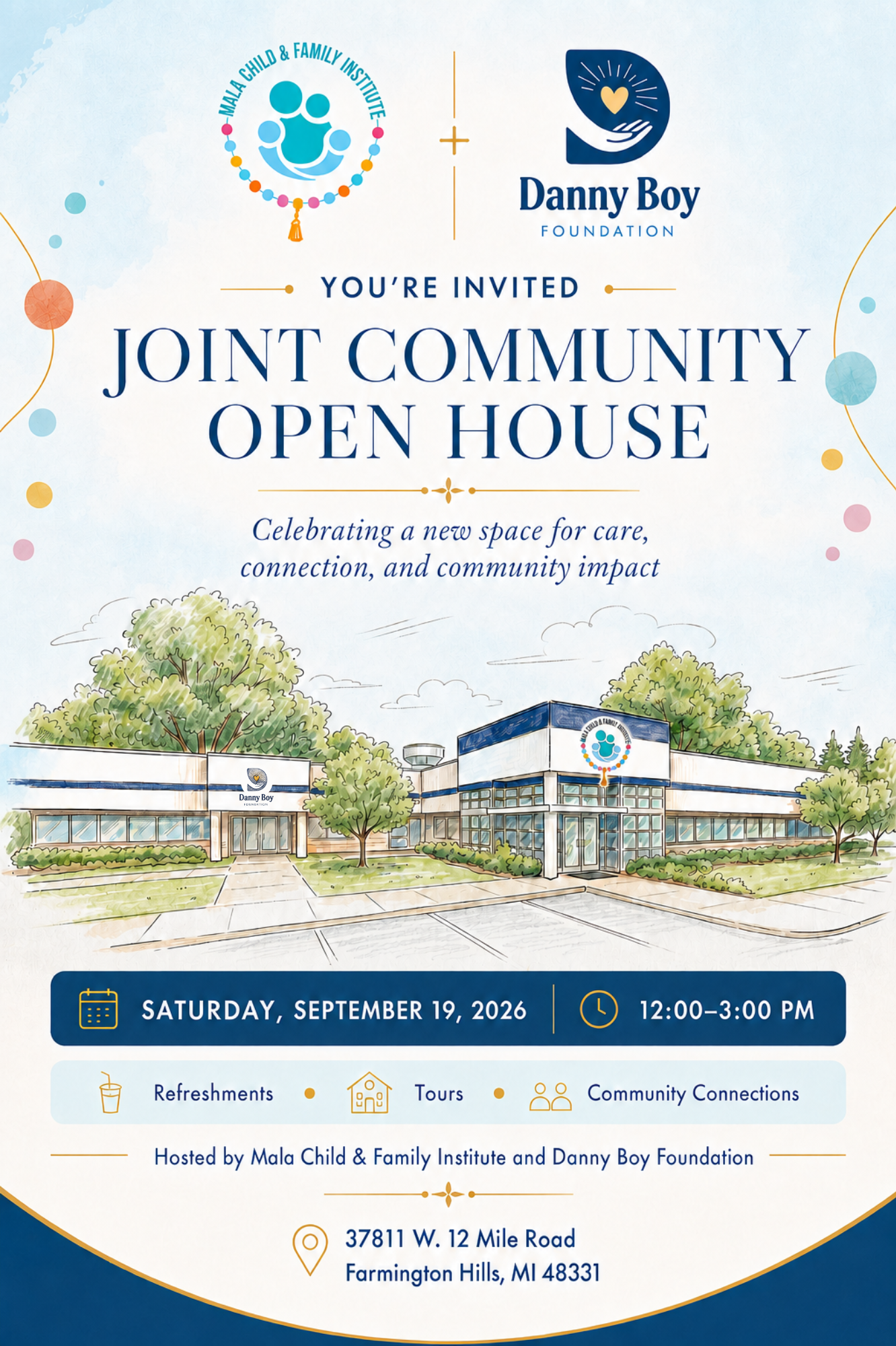
We’d Love to Welcome You Into Our New Space!
On Saturday, September 19, Mala Child & Family Institute and the Danny Boy Impact are hosting a joint community open house at our new shared Farmington Hills location.
You can tour Mala’s new clinical spaces, visit the Danny Boy Foundation’s Basic Needs Pantry, meet members of both organizations, enjoy refreshments, and connect with other families and professionals in the community.
The event is free. Registration is encouraged, but you are welcome to stop by anytime.
Guests may bring unopened food or new hygiene products for the Basic Needs Pantry, but donations are completely optional. We want you to come whether or not you bring anything.
My hope is that this open house will be more than a celebration of a new building.
I hope it becomes a place where people feel less alone. A place where families learn that it is okay to say the word suicide. A place where someone finds a resource they did not know existed.
And maybe a place where one honest conversation begins early enough to save a life.

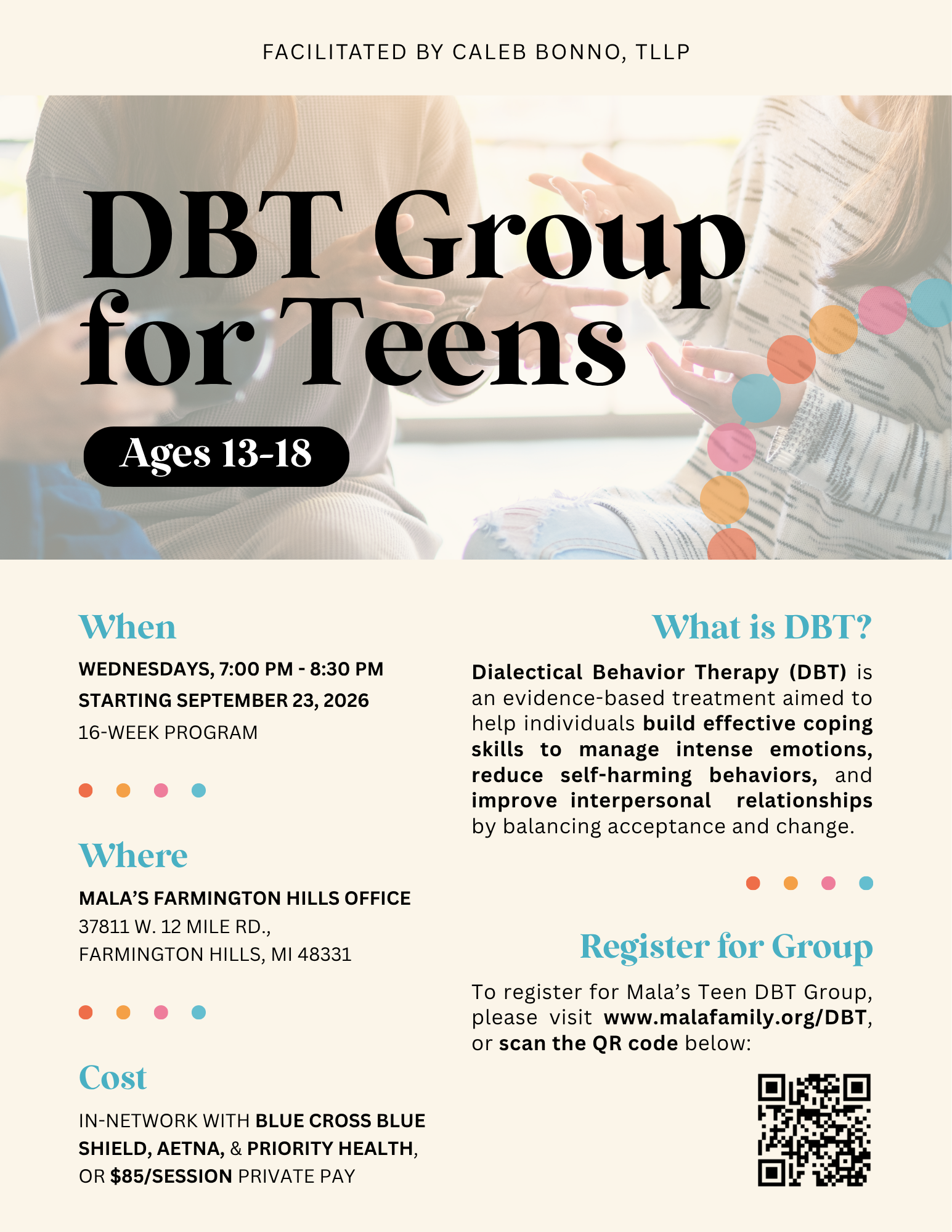
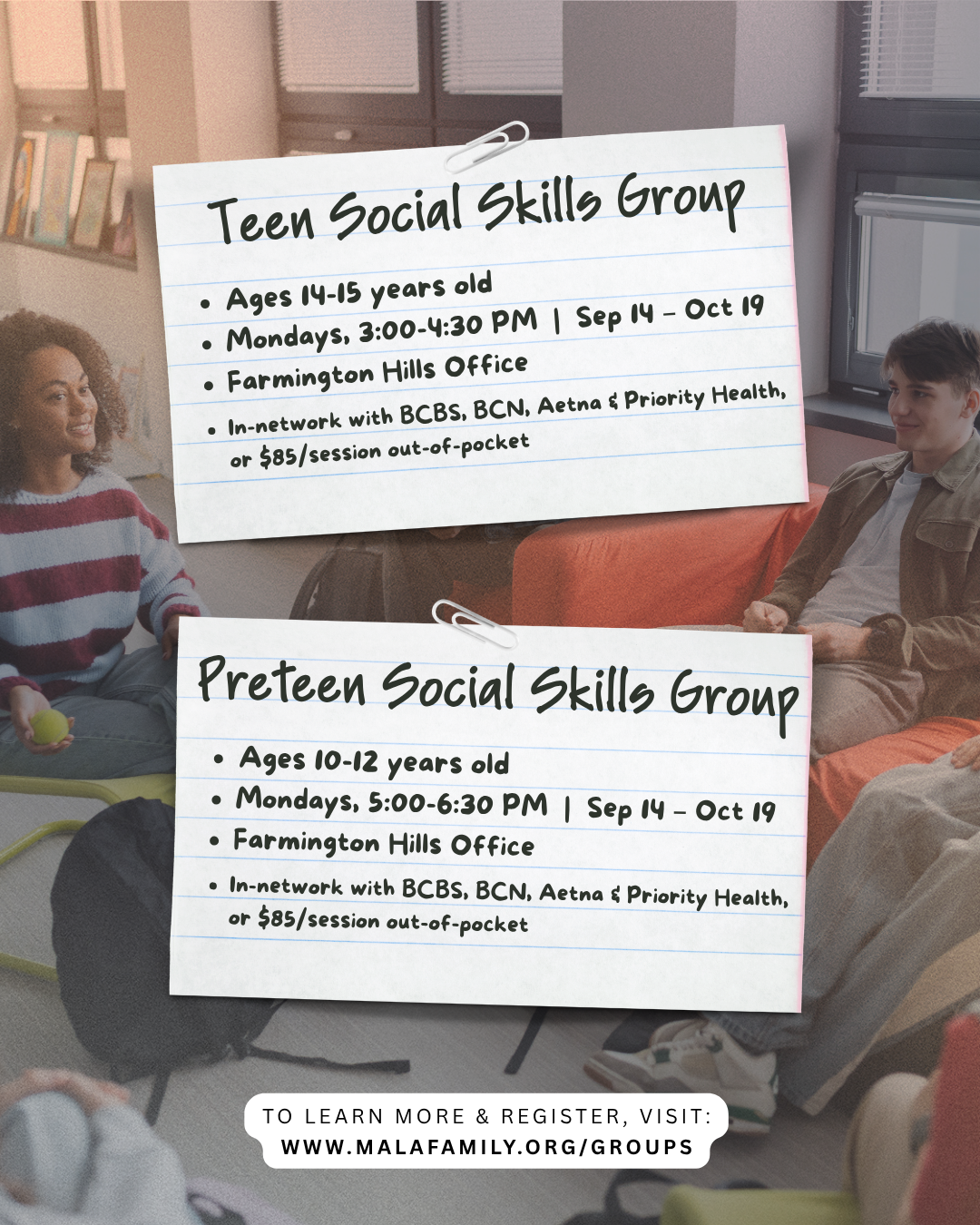
Upcoming Therapy Groups
If you have any questions concerning care at Mala or would like to reach out for another reason, we’d love to hear from you. Click here to get in touch.
Until next time,
The Mala Child & Family Institute Team
