Speech Therapy Is More Than Learning to Talk
Speech Therapy Is More Than Learning to Talk
Written By Muhiba Mehmedovic, MA, CCC-SLP
Director of Speech & Language Therapy Department
When people hear “speech therapy,” they picture a child practicing sounds or learning to pronounce words. But speech and language therapy support something much bigger:
A person’s ability to express themselves, connect with others, advocate for their needs, and navigate everyday life.
For many children and adults, communication difficulties are not obvious. A person may speak clearly, have a large vocabulary, or even talk a lot, and still struggle to communicate effectively when it matters most.Just 30-45 minutes of one-on-one speech and language therapy each week can provide strategies that make daily life easier, less frustrating, and more connected.

1. They Know What They Want to Say, But Can’t Get It Out
Many people have complex thoughts but struggle to organize them into words. They have difficulty:
Explaining what happened during their day
Answering open-ended questions
Asking for help
Describing pain, discomfort, or emotions
Communicating when overwhelmed
Getting to the point without losing important details
This can lead to frustration, shutdowns, misunderstandings, or others incorrectly assuming the person does not understand. Speech therapy can help people organize their thoughts, tell clearer stories, find language for their experiences, and communicate more successfully, without changing who they are.
2. Most Conversation Feels Hard
Communication affects friendships, family relationships, school, work, dating, and participation in the community. A person may want to connect with others but struggle with:
Starting or maintaining conversations
Knowing when or how to join a group
Recognizing when someone is confused
Repairing a misunderstanding
Understanding sarcasm, indirect language, or unclear expectations
Communicating boundaries
Navigating disagreements
Repeated communication breakdowns can affect confidence and leave someone feeling lonely, rejected, or misunderstood. Speech therapy can provide practical tools for navigating these situations while respecting the person’s natural communication style.
3. They Fall Apart After School or Work
Some people, especially those with ADHD and autism, spend the day trying to follow rapid conversations, interpret vague instructions, remember verbal information, and respond in socially expected ways. By the time they get home, they are exhausted.
Speech and language therapy can help identify what is making communication so demanding. An SLP (speech-language pathologist) works on understanding directions, requesting clarification, advocating for processing time, using visual supports, or developing more effective ways to communicate during stress. The goal is to reduce unnecessary effort and give them tools that support regulation, participation, and authentic communication.
4. Parents Worry About Their Future
Parents often worry about more than grades or speech development. They wonder:
Will my child be able to tell someone when something is wrong?
Will they know how to ask for help?
Can they explain their needs to a teacher, doctor, employer, or partner?
Will they be able to make and maintain meaningful relationships?
Can they advocate for accommodations without depending on someone else?
Will they be understood during an emergency?
Will they feel confident enough to speak for themselves?
These are quality-of-life concerns. Communication plays an important role in safety, independence, emotional well-being, relationships, education, employment, and access to care. Speech therapy can help build these skills gradually, using real situations that matter to the individual and their family.

Small Strategies Can Create Meaningful Change
A 30- to 45-minute session may seem short, but the right strategies can improve life throughout the week. A child may learn to explain what happened at school, a teenager to ask for clarification, or an adult to communicate a boundary or medical need.
Being able to say, “I don’t understand,” “I need a break,” or “That is not what I meant” helps people feel safer, more confident, and more connected. That makes speech therapy an important resource for everyday functioning and lifelong wellness.
Coming Next:
How do you know when your child may benefit from speech therapy, even if they already talk a lot? And what should neurodiversity-affirming speech therapy actually look like?

Win a Prize!
First person to enroll in speech therapy gets a free 45 minute coaching session.

We're excited to welcome Shelly to the Mala team as we continue expanding our occupational therapy services! Shelly has a passion for neurodiversity-affirming care, sensory regulation, mental health, and trauma-informed practice. She believes OT is about understanding the whole person and creating meaningful opportunities for individuals to engage in the activities and experiences that matter most to them.
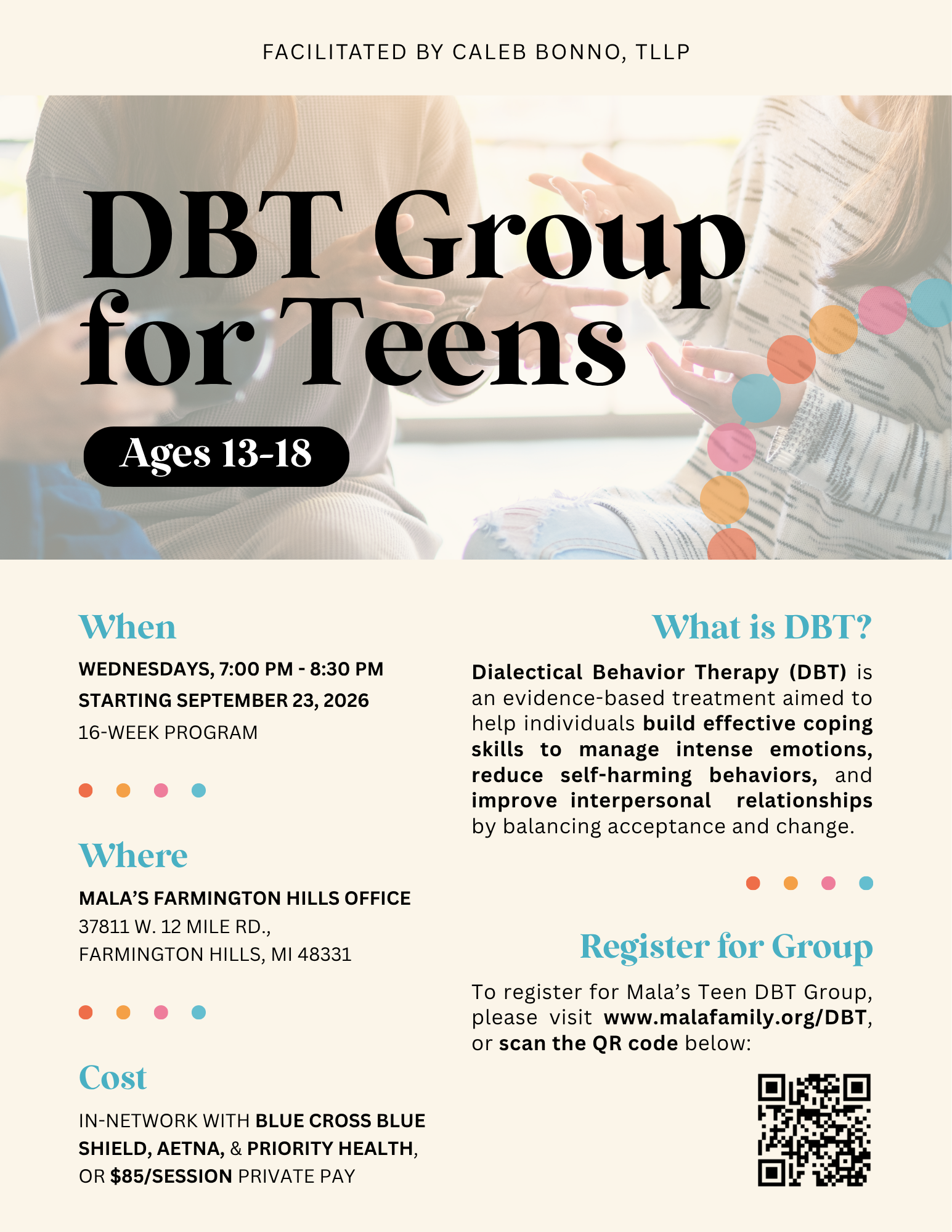
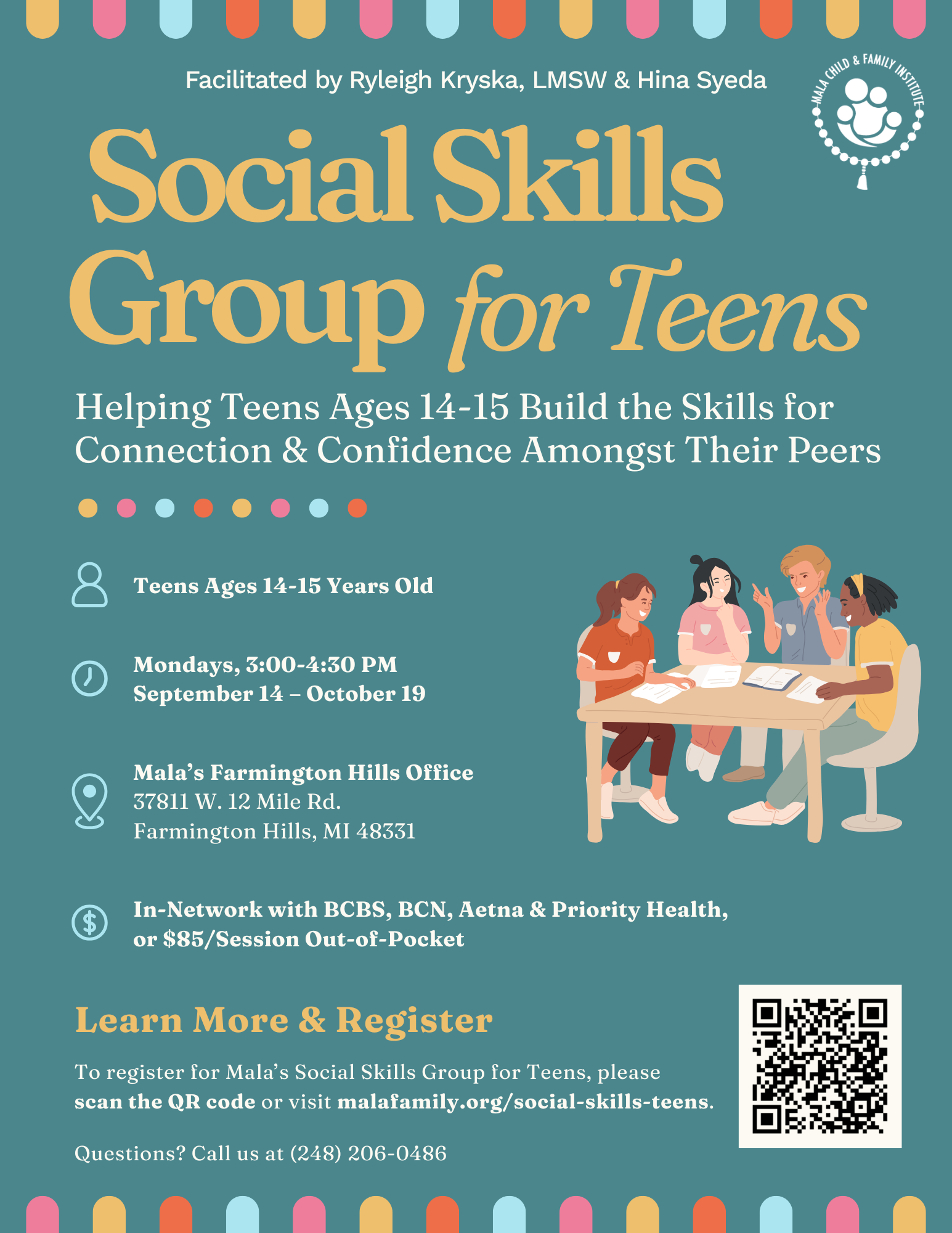
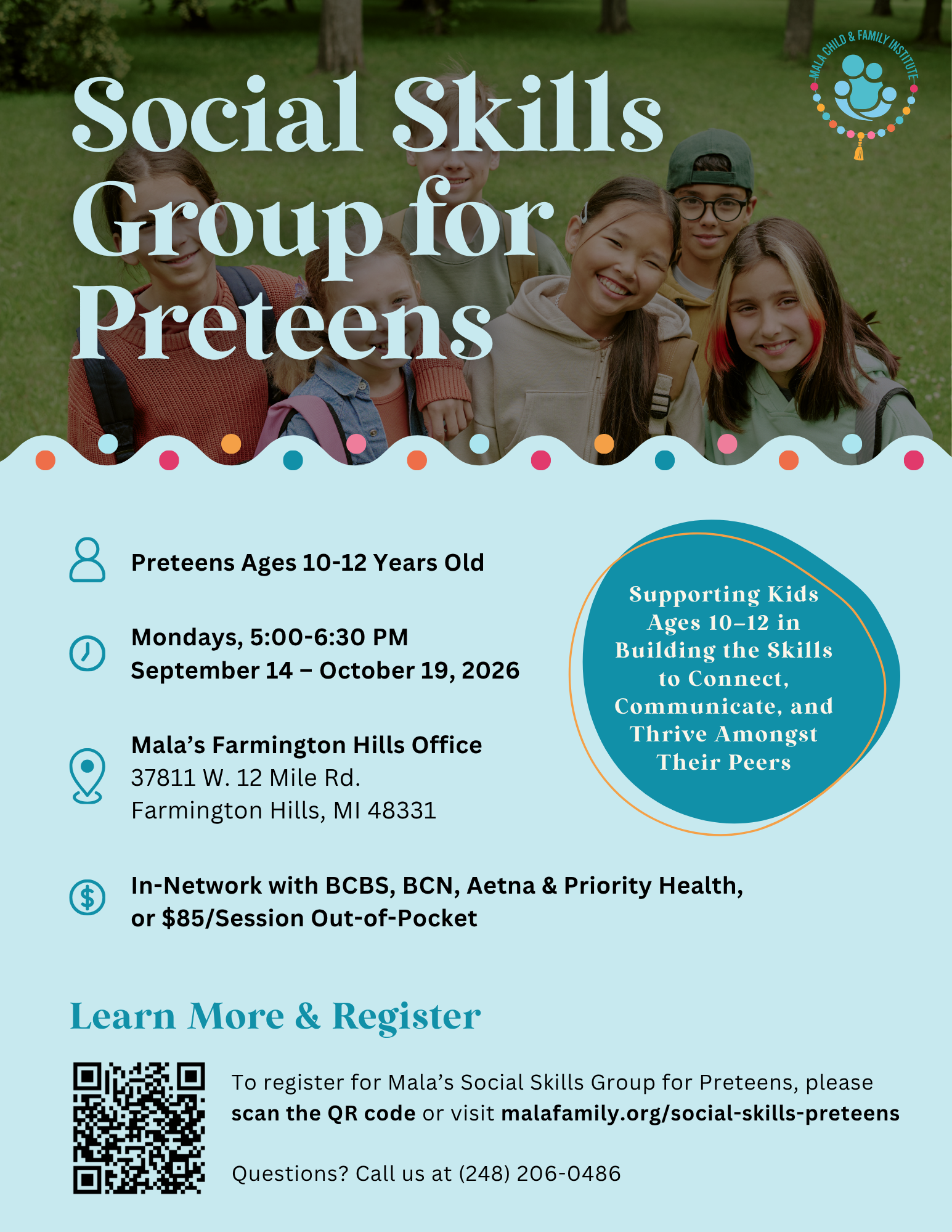
Upcoming Therapy Groups
If you have any questions concerning care at Mala or would like to reach out for another reason, we’d love to hear from you. Click here to get in touch.
Until next time,
The Mala Child & Family Institute Team
