The Fatherhood Journey of Neurodivergence
The Fatherhood Journey of Neurodivergence
By Dr. Hasti Raveau, PhD, LP
Clinical Psychologist, Founder, & CEO
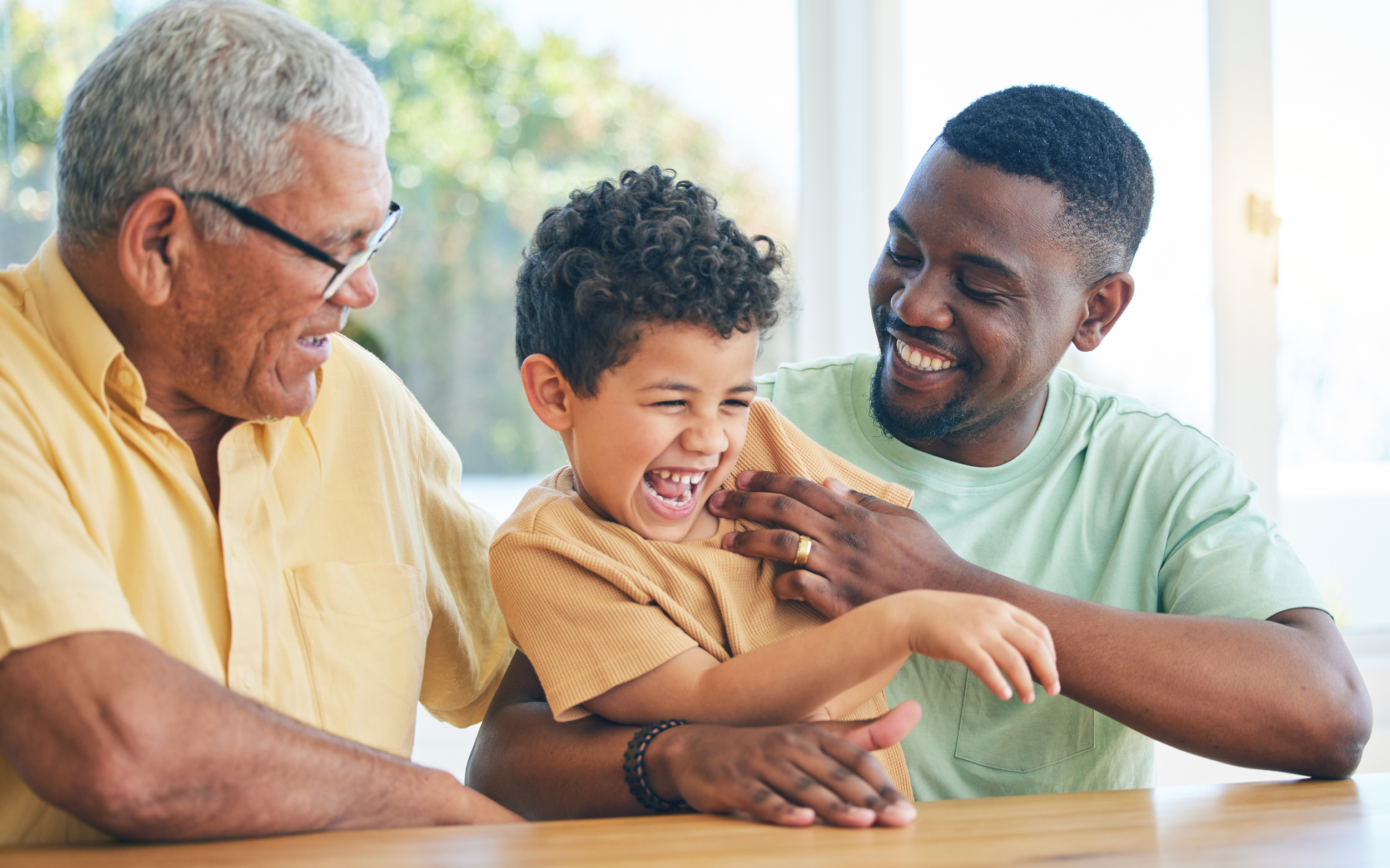
Today is Father's Day.
And while all fathers deserve to be celebrated, today I find myself thinking about fathers navigating neurodivergence.
The father with ADHD who is helping his child remember their homework while struggling to remember where he left his own keys. The autistic father who recognizes his child's sensory overwhelm because he has lived it himself.
The father raising neurodivergent children alongside a neurodivergent spouse or partner, where everyone in the household has different communication styles and support needs. The father who grew up with a neurodivergent parent himself and is trying to keep what worked, heal what didn't, and create something different for the next generation.
The father helping a teenager with OCD and dyslexia navigate identity, growing independence, college, employment, relationships, or the transition into adulthood.
The stepfather learning to love and support a child with Tourette whose brain works differently than his own. The grandfather who is only now beginning to understand his own story because he sees himself reflected in his child or grandchild.
At Mala, we see these fathers every day.
One of the most fascinating things we know about neurodivergence is how strongly it runs in families. Research consistently shows that ADHD, autism, learning disabilities, OCD, and giftedness have substantial genetic influences. ADHD is estimated to be approximately 70–80% heritable, while autism is among the most heritable neurodevelopmental profiles we know of.
We also know that neurodivergent people often find one another. Researchers call this assortative mating: the tendency for people with similar traits to form relationships. In other words, it is not uncommon for a child identified as neurodivergent to have one or two neurodivergent parent. What initially appears to be one person's diagnosis often becomes a family language, and a collective way of experiencing the world.
A child comes in for an evaluation because they are struggling with attention, learning, anxiety, emotional regulation, or social communication. As we begin listening to the family's story, patterns start to emerge. Dad recognizes his own childhood in the way his child thinks, gets overwhelmed, miss neurotypical social cues, hyperfocus, or feels misunderstood.
Sometimes a child's diagnosis becomes the first mirror a father has ever been handed, and sometimes it gives language to experiences he has carried his entire life.
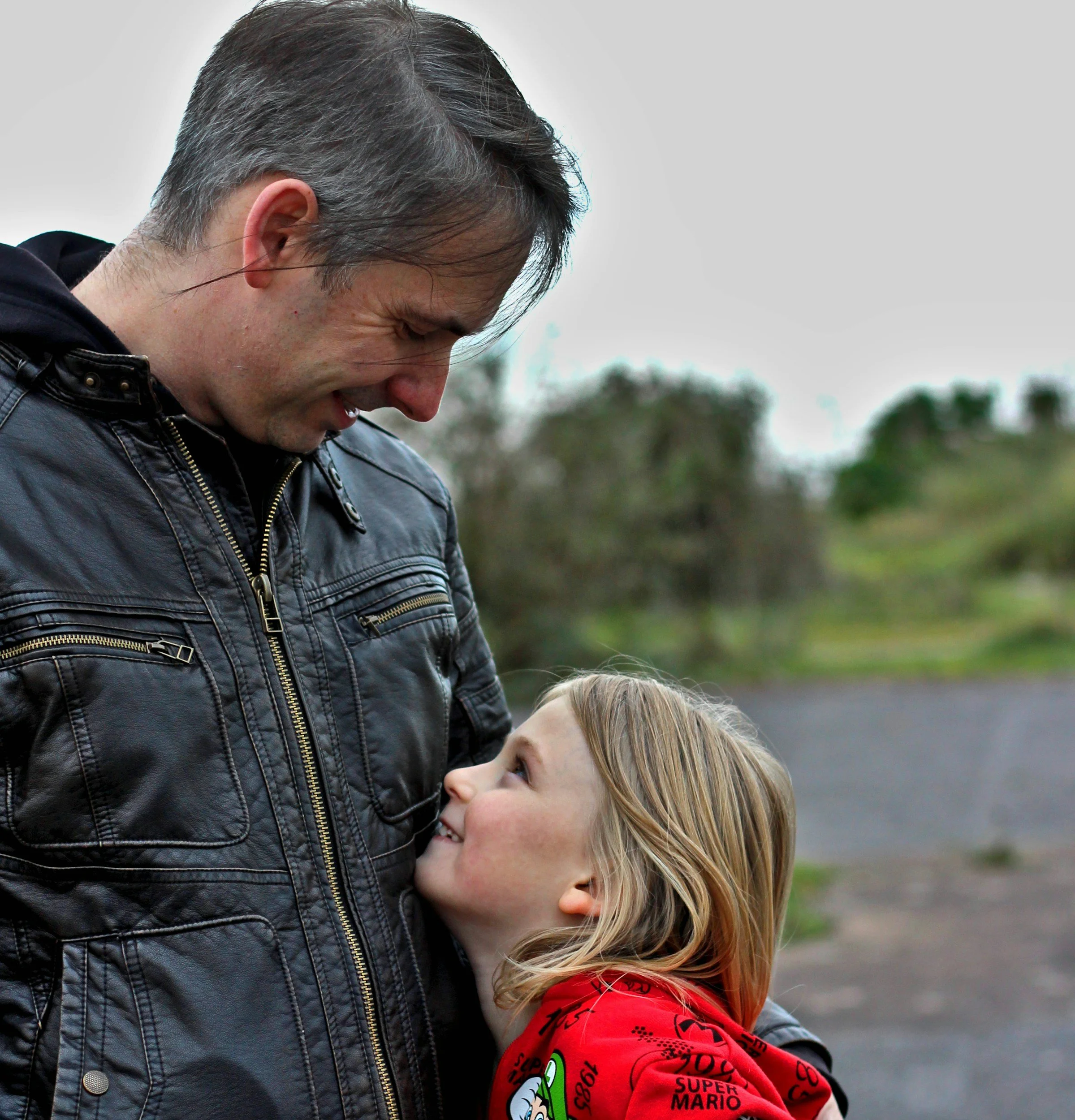
Neurodivergent fatherhood is not simply about managing symptoms or navigating services.
It is about relationships, connections, and showing a child that they are deeply understood.
At Mala, we see fathers showing up in extraordinary ways every day.
They are attending IEP or 504 Plan meetings, setting boundaries with extended family, building visual schedules, and helping with medication reminders. They are creating structure around bedtime, homework, brushing teeth, and daily routines. They are coaching executive functioning skills one small step at a time, and teaching emotional regulation, problem-solving, self-advocacy, and resilience.
And perhaps most importantly, they are teaching their children that there is nothing wrong with who they are. That lesson changes lives. What strikes me most about the neurodivergent fathers I have had the privilege of knowing is their patience, willingness to keep learning, and their ability to apologize, adjust, and try again.
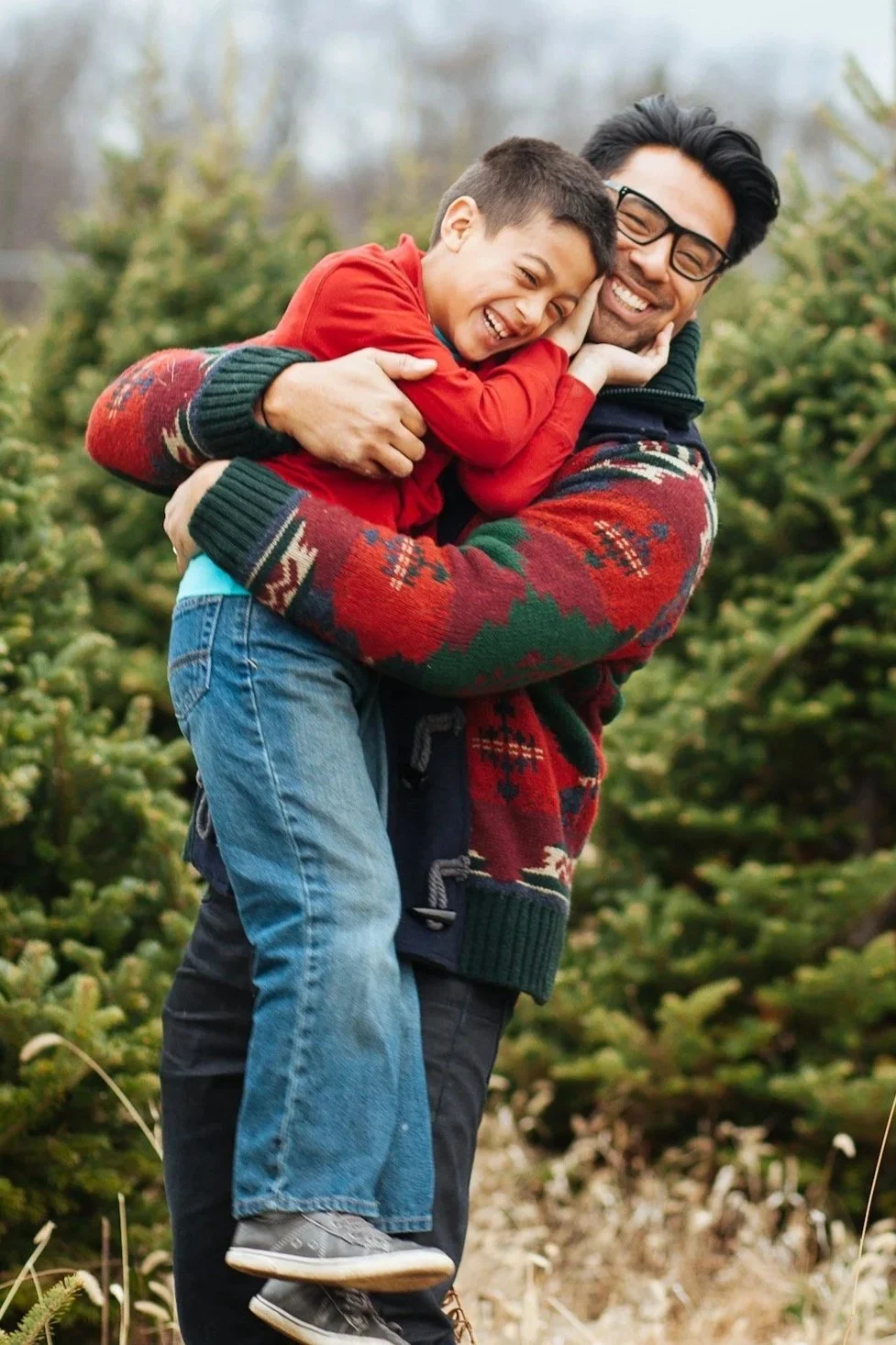
Fathering in a neurodivergent family system is not always easy.
Many fathers spend their days navigating sensory demands, executive functioning challenges, social expectations, emotional exhaustion, or the effort of masking parts of themselves to fit into environments that were not designed for them.
Then they come home and are asked to co-regulate with a child who may be struggling with many of those same challenges. Sometimes they are helping their child through difficulties they never received support for themselves. Sometimes they are grieving the understanding they wish someone had offered them decades ago. Sometimes they are discovering that the qualities they once viewed as flaws are actually differences that deserve compassion.
And yet they continue to show up. That is a kind of courage we do not talk about nearly enough.
As a psychologist, I have witnessed countless examples of this. As a mother, I have witnessed it personally. I have watched my children's father learn about his own autism at age 35, revisit his childhood through an entirely different lens, and develop a deeper understanding of himself. I have also watched my husband become a stepfather and, through loving my children, deepen his understanding of neurodivergence within his own family.
Both experiences have taught me something important. Children need fathers who are willing to know themselves. Because when a father learns to understand his own brain, extends compassion toward himself, learns that support is not weakness, and embraces the parts of himself that once felt different, he gives his child permission to do the same.
This Father's Day, I want to acknowledge the fathers whose stories may not always be visible.
We celebrate the fathers navigating neurodivergence in all its forms. We see the fathers who advocate, adapt, co-regulate, and keep showing up with love and determination, even on the days when they feel exhausted, overwhelmed, or uncertain.
We see you.
We appreciate you.
And we know that the work you are doing matters more than you may ever realize.
Because sometimes the greatest gift a father gives his child is showing them that they were worthy exactly as they were all along.
Happy Father's Day.
If you have any questions concerning care at Mala or would like to reach out for another reason, we’d love to hear from you.
Until next time,
The Mala Child & Family Institute Team
