Social Media and Its Mental Health Risks
Social Media & Its Mental Health Risks
By Caleb Bonno
Clinical Psychology Practicum Student
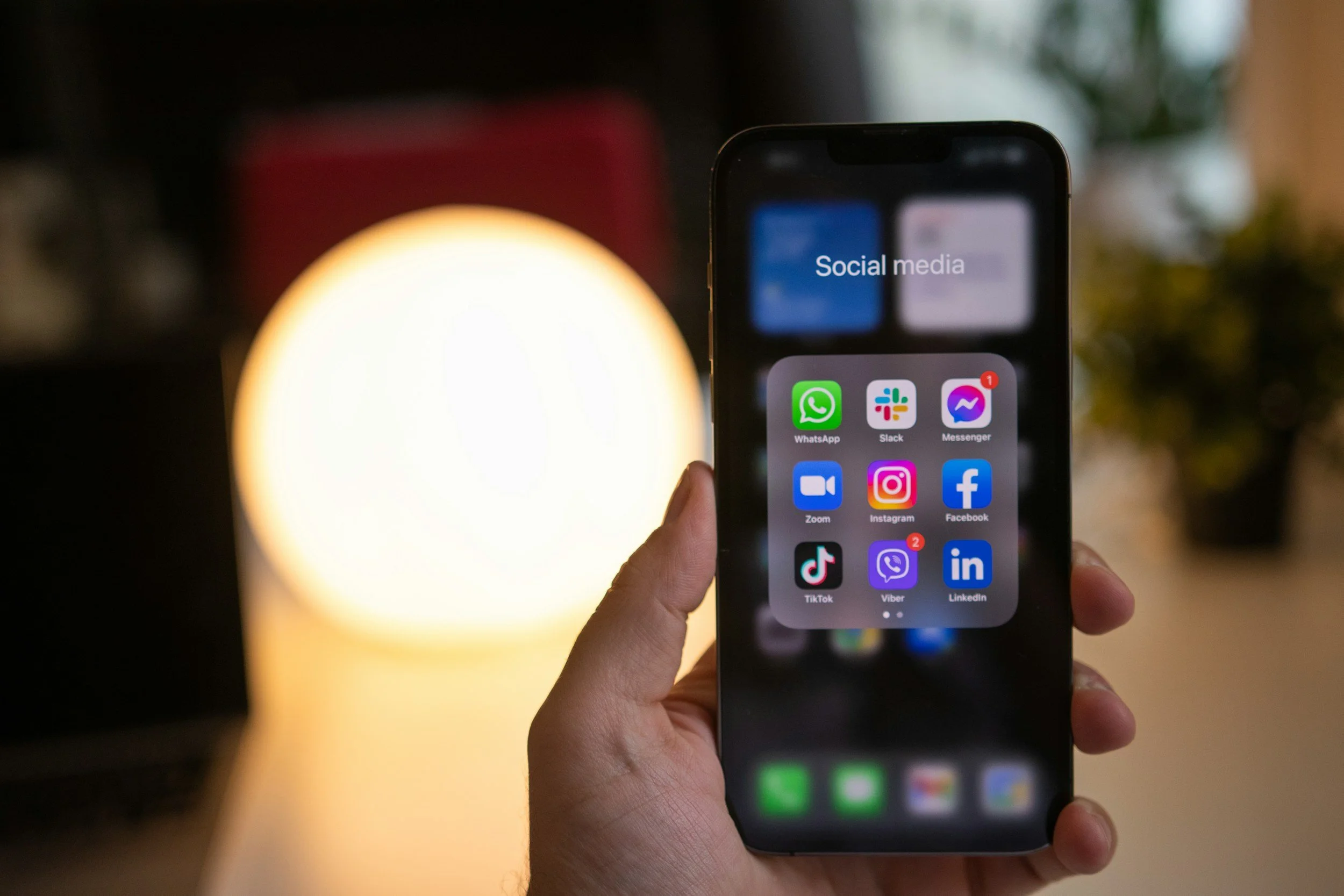
Social media is just a part of growing up now. Apps like Instagram, TikTok, and Snapchat are not only for entertainment. For a lot of kids, they are where friendships happen, where people share their lives, and where they start figuring out who they are. From a mental health perspective, that matters because kids and teens are still developing emotionally and socially, and the movement of so much of their social development to being behind a screen will have an effect. The question is not just what social media adds, but what it might be replacing.
There is growing concern that heavy social media use is tied to anxiety and depression in young people. The American Psychological Association has pointed to a link between higher usage and increased symptoms of both. A lot of this comes down to comparison. Kids are constantly seeing filtered and curated versions of other people’s lives. It becomes easy to fall into patterns of thinking like “Why don’t I look like that?” or “Why is everyone else doing better than me?” In clinical terms, these are cognitive distortions, and over time, they can shape self-esteem in a negative way.
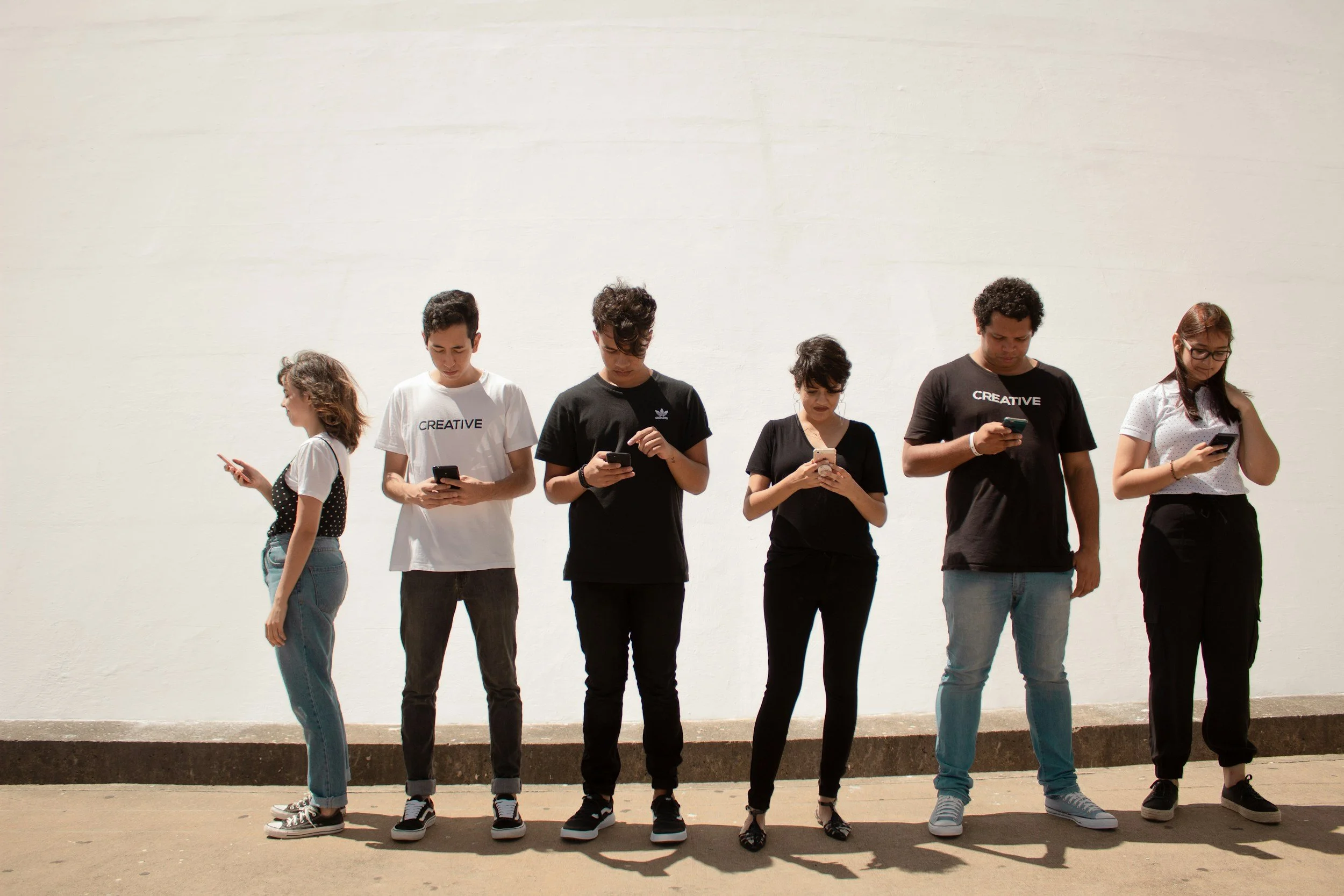
At the same time, there is a quieter issue that does not get talked about as much. Social development itself may be taking a hit. Face-to-face interaction is where kids learn things like reading body language, tolerating awkwardness, handling rejection, and building real confidence. Those are skills that usually develop through practice. If more of a child’s social life is happening through a screen, there are simply fewer chances to build those skills in a natural way. Some researchers and clinicians have started to notice that younger generations seem less comfortable with in-person interaction. That does not mean social media is the only cause,
but it may be part of the picture. When communication is mostly through texting or short videos, it can limit the depth and complexity of social experiences. Over time, this can lead to avoidance of real-world interaction, especially for kids who already feel anxious.
The way these apps are designed also plays a role. Likes, comments, and notifications act as rewards. When a post gets attention, it feels good. When it does not, it can feel discouraging. That unpredictability can lead to frequent checking and a stronger need for validation. From a clinical perspective, this kind of reinforcement can make habits stick quickly, even when they start to interfere with other parts of life. Important to note as well is that these apps do not care about the well-being of their users. They are run for-profit companies driven by the money that they make from their advertising. It is to their benefit to make sure that their app is designed to be as addictive as possible, to keep all of their users using it as long as possible.
To be fair, social media does have real benefits. It can help kids stay connected and find communities, especially if they feel isolated. There is real meaning in that, as it can be much easier to find community when connected to the whole world instead of just your immediate surroundings. It can also give them a space to express themselves, with the benefit of anonymity. But those benefits do not cancel out the downsides, especially when use becomes constant and replaces other kinds of interaction.
Overall, social media seems to be doing more than just changing how kids communicate. It may be shaping how they develop socially in the first place. While it offers connection, it can also limit the kind of real-world experiences that build strong social skills. From a mental health standpoint, it is worth asking not just how much kids are using social media, but what they might be missing out on because of it.
References:
American Psychological Association. (2023). Health advisory on social media use in adolescence.
Pew Research Center. (2022). Teens, social media and technology.
Centers for Disease Control and Prevention. (2021). Youth risk behavior survey data summary & trends report.
If you have any questions concerning care at Mala or would like to reach out for another reason, we’d love to hear from you.
Until next time,
The Mala Child & Family Institute Team
